Humantay Lake or Rainbow Mountain: Which Should You Do?
Two famous Cusco day trips, one honest comparison: a turquoise glacier lake at 4,200 m against a painted ridge above 5,000 m.
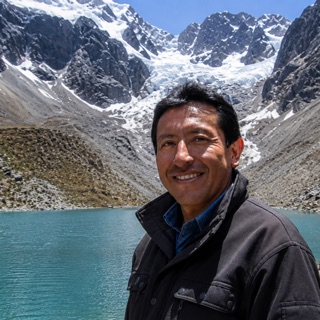 Written with Carlos Mamani, Humantay Lake tour guide & high-altitude specialist
Short answer
Pick Humantay Lake if you want glacier scenery at a friendlier altitude: the lake sits at about 4,200 m, while the Rainbow Mountain viewpoint reaches roughly 5,200 m. Vinicunca punishes anyone who is not acclimatized. Doing both is common; hike Humantay first, rest a day, then attempt Rainbow Mountain.
Every week on the trail above Soraypampa, somewhere around the second set of switchbacks, a traveller catches their breath and asks me the same thing: should we have done Rainbow Mountain instead? I live in Cusco, and these two hikes are the city's twin obsessions. They get lumped together in every itinerary, yet they are very different days out. One ends at a glacier-fed lake the colour of polished turquoise. The other ends on a wind-scoured ridge striped like a painted blanket, a full kilometre higher in the sky. Here is the comparison I give people when they ask me straight.
How different are the altitudes really?
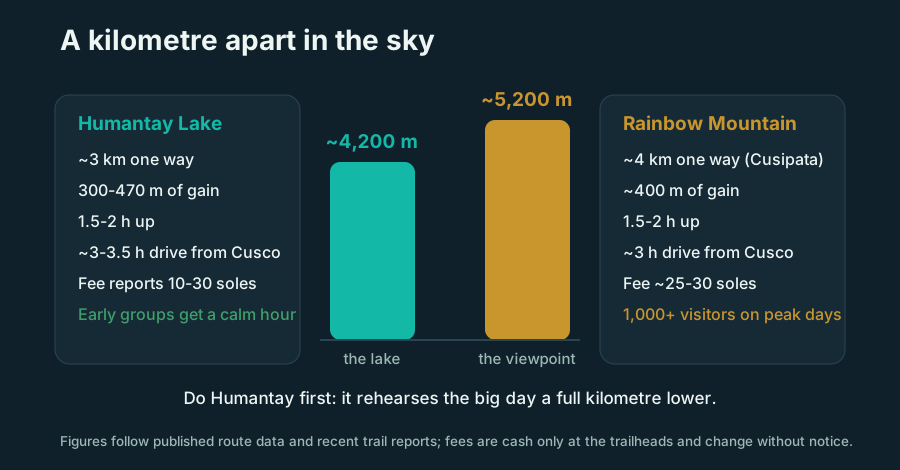
The gap is huge. Humantay Lake sits at about 4,200 m, reached from a trailhead near 3,850 m. The Rainbow Mountain viewpoint stands at roughly 5,200 m, about a vertical kilometre higher. At that height the air holds noticeably less oxygen, so Vinicunca is much harder on an unacclimatized body than the numbers on a map suggest.
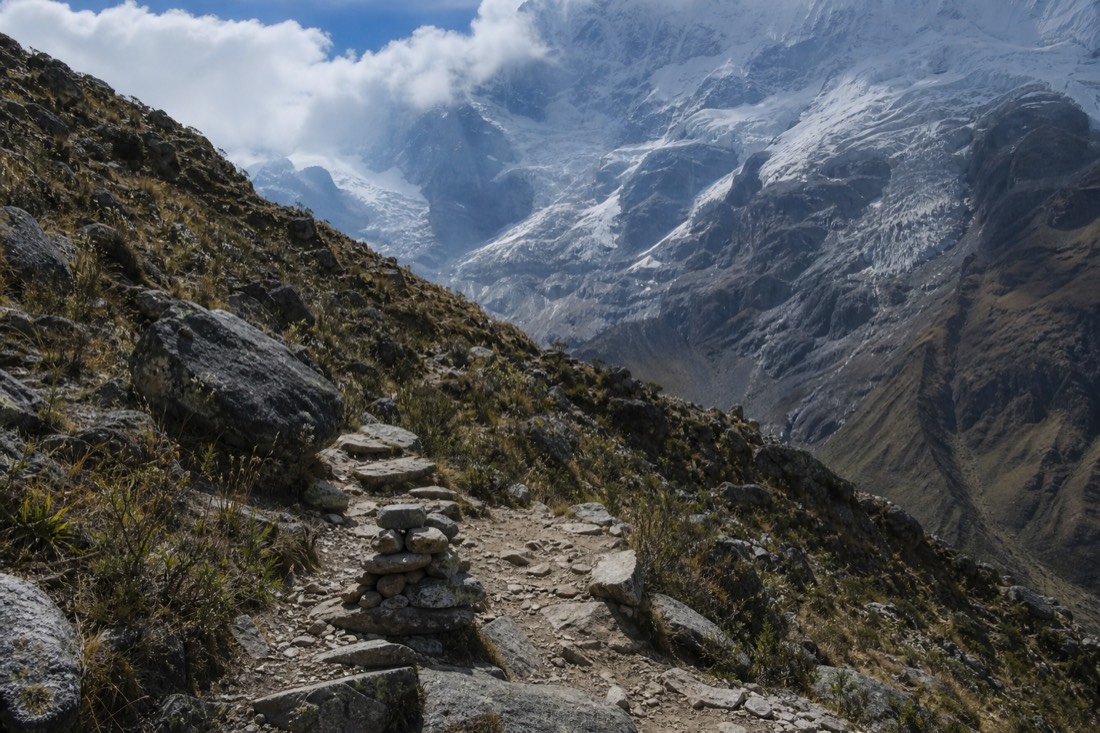
Altitude is the single most important difference between these hikes, and most people underestimate it. Cusco itself sits near 3,400 m, which already leaves many arrivals dizzy for a day or two. Humantay Lake asks you to climb about 300 to 470 m above the Soraypampa trailhead. That is a real effort, and I watch strong hikers slow to a shuffle on the steep middle section, but the summit of the walk stays around 4,200 m.
Rainbow Mountain starts higher than Humantay finishes. By the time you reach the viewpoint at about 5,200 m you are standing higher than Mont Blanc, and every step feels like two. Headaches, nausea and that strange leaden-leg feeling all show up more often up there. Guides in Cusco compare notes constantly, and the pattern we all see is the same: the people who struggle worst at Vinicunca are the ones who flew in two days earlier and went straight for the big one.
| Humantay Lake | Rainbow Mountain (Vinicunca) | |
|---|---|---|
| High point | ~4,200 m / 13,780 ft | ~5,200 m / 17,060 ft |
| Hike, one way | ~3 km, 300-470 m gain | ~4 km, ~400 m gain (Cusipata route) |
| Time up | 1.5-2 h | 1.5-2 h |
| Drive from Cusco | ~3-3.5 h | ~3 h |
| Scenery | Glacier lake, Andean peaks | Mineral-striped ridge, Ausangate views |
| Entrance fee (foreigners) | Reports range 10-30 soles, cash | ~25-30 soles, cash |
Which hike is harder?
On paper they look similar: a few kilometres and around 400 m of climbing each. In your lungs they are not. Rainbow Mountain is the harder day for almost everyone because the entire hike happens above 4,600 m, where recovery between steps is slow. Humantay is steeper underfoot but far kinder on oxygen.
The Humantay trail is short, rocky and honest about its steepness. It climbs hard from Soraypampa, and I have written a full breakdown of the gradient and footing in the guide to how hard the hike really is. Most reasonably fit people top out in 1.5 to 2 hours, and the descent takes about an hour. Horses wait at the trailhead for anyone who wants help, though they stop short of the lake itself.
Vinicunca's Cusipata-side trail is gentler in gradient, roughly 4 km one way with around 400 m of gain. The catch is where that climbing happens. Above 5,000 m even flat walking taxes people who felt fine in Cusco. Altitude illness does not care how fit you are at sea level, which is why I push everyone toward two or more days of acclimatization in Cusco before either hike, and more before Rainbow Mountain.
My honest ranking: Humantay is a harder stairmaster, Vinicunca is a harder day. If your knees hate steep descents, Humantay will annoy them. If your head aches at altitude, Vinicunca will hurt far more.
What will you actually see at each one?
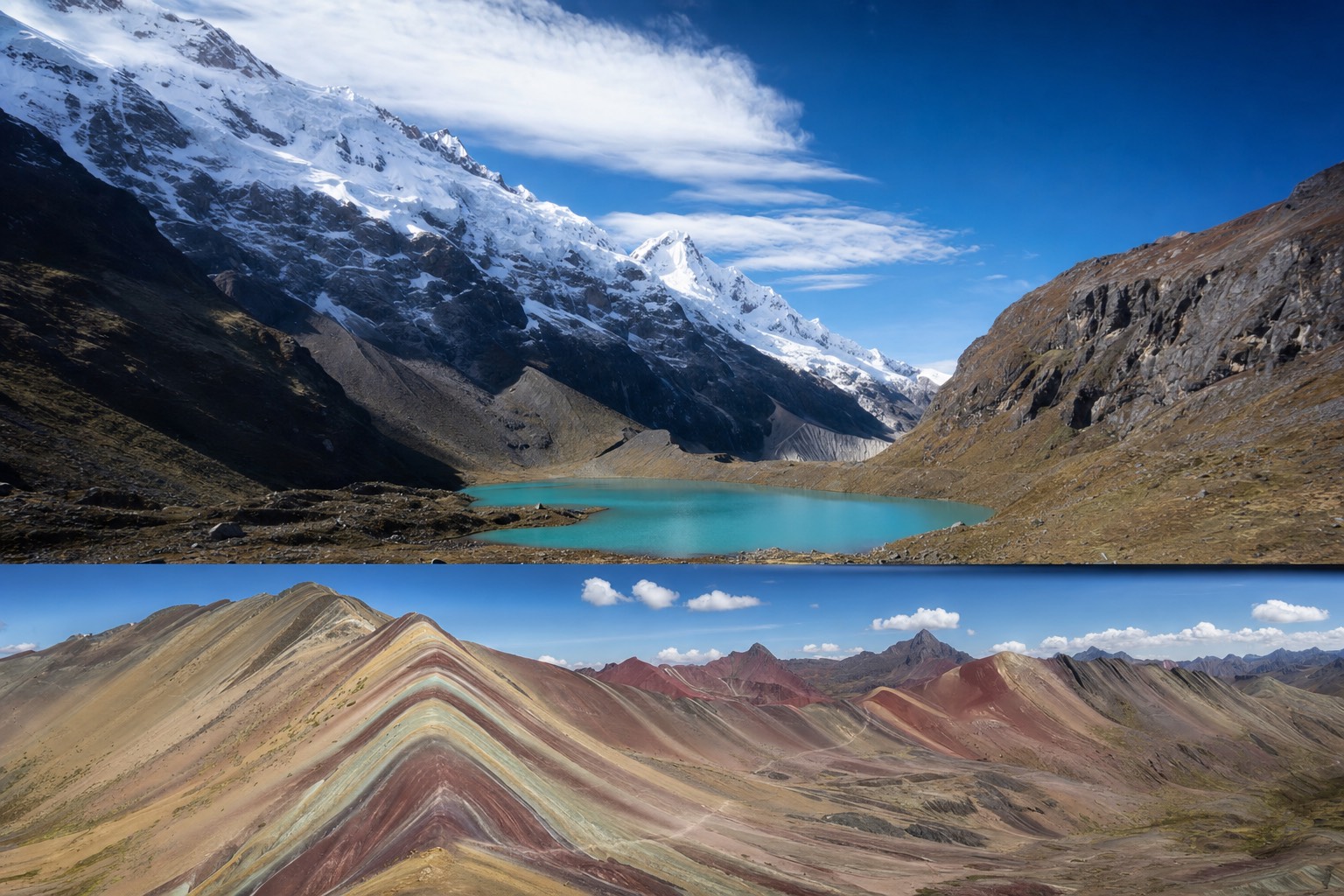
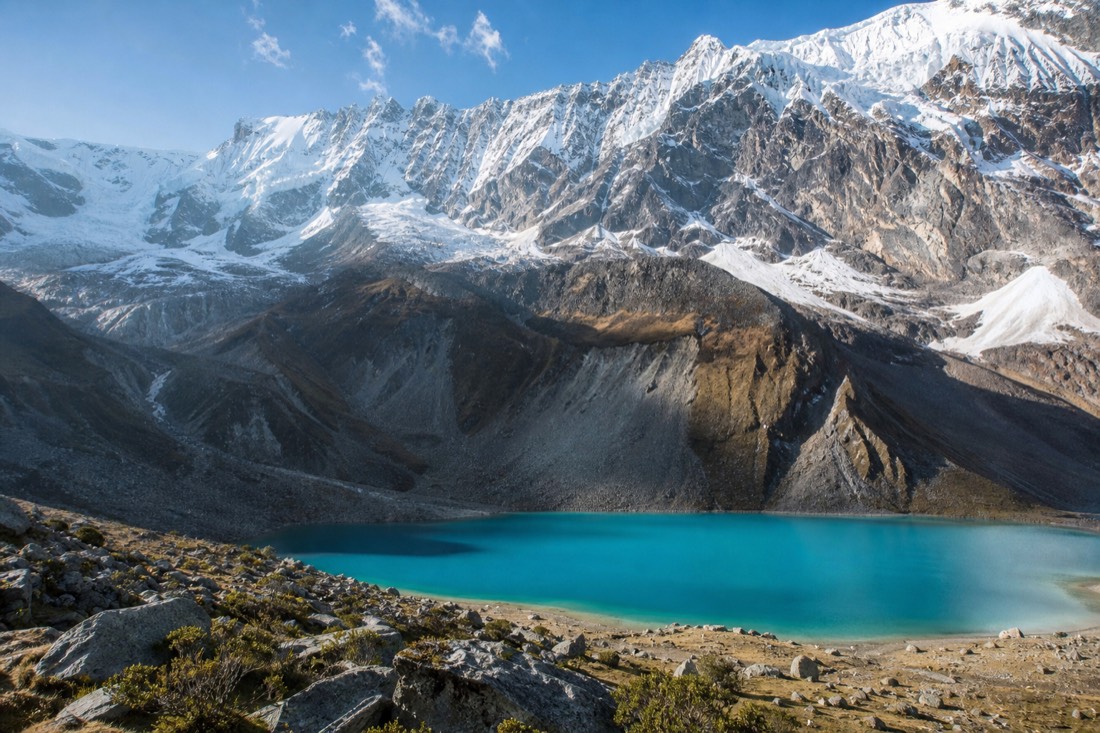
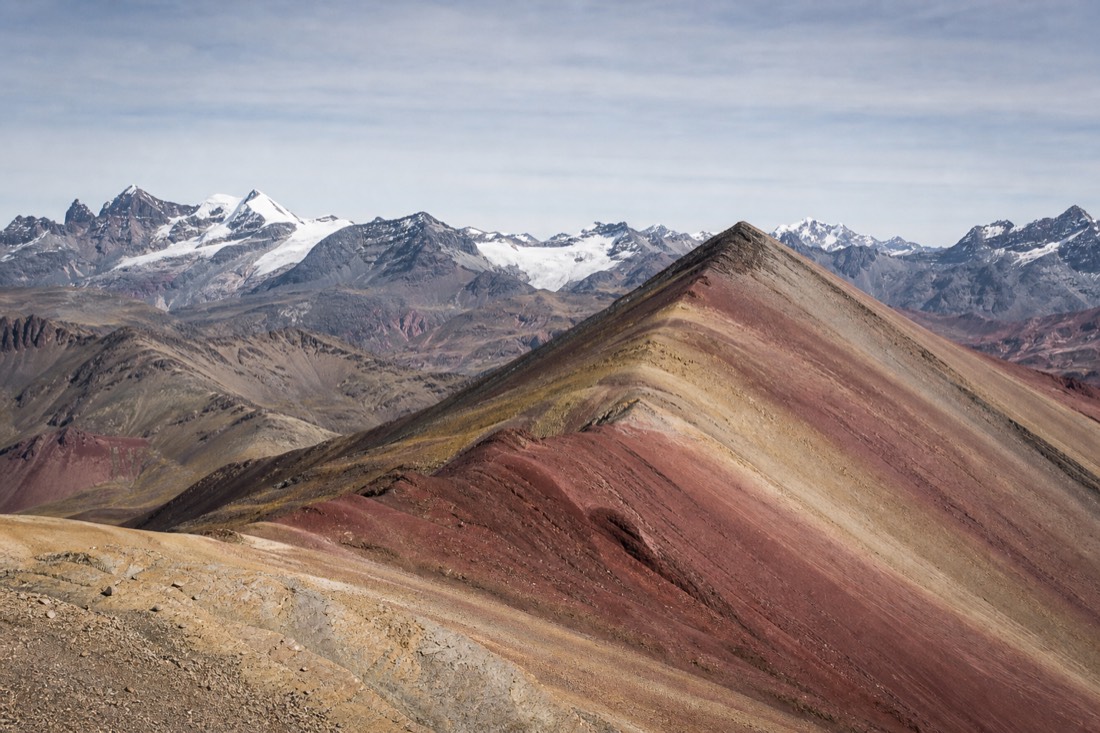
Two completely different rewards. Humantay delivers a turquoise glacier lake framed by ice cliffs under Humantay peak, beside the Salkantay massif. Rainbow Mountain delivers a surreal ridge of mineral bands in reds, ochres and greens, with Ausangate's glaciers behind it. Neither photo prepares you for the other one's landscape.
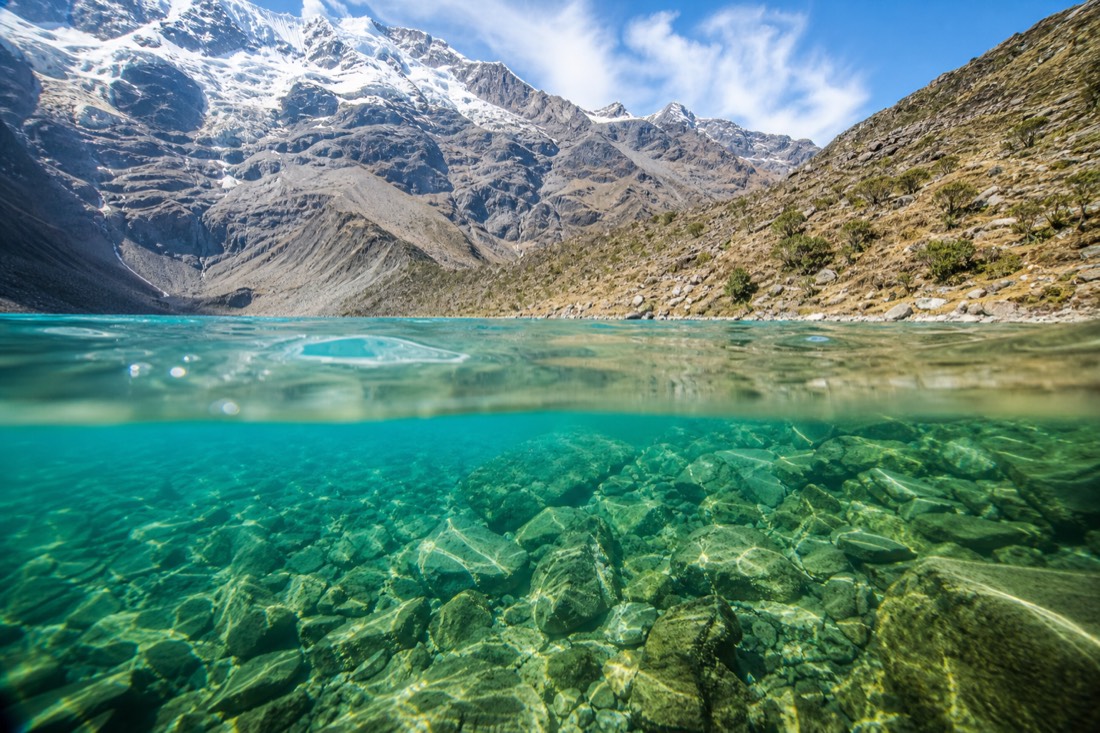
Humantay is an intimate scene. You crest the final rise and the lake appears all at once below the glacier, an unreal blue-green fed by meltwater from the 5,470 m peak above it, with Salkantay looming next door. The colour shifts with the light through the morning, which is one reason the early start matters. People sit at the shore for an hour and do not get bored. Swimming is prohibited, out of respect for a lake local communities hold sacred and protect as a water source.
Rainbow Mountain is a panorama, not a place you linger. The striped sediment bands read strongest in full sun around midday, and the view from the ridge stretches across the Red Valley toward Ausangate. It is genuinely strange and beautiful. It is also cold, exposed and windy, and most visitors stay 20 to 40 minutes before starting down.
Which one should you do first?
Do Humantay first. It tops out a full kilometre lower, so it works as a fitness and altitude rehearsal: if 4,200 m felt manageable, you have a green light for Vinicunca a day or two later. Reversing the order sends your least-adapted self to the highest point of your trip.
This is the ordering I give friends and family, and the logic is plain physiology. Your body builds red blood cells and adjusts breathing over days, not hours. Climbing to 4,200 m, sleeping low in Cusco, then climbing higher later is a textbook progression. Starting at 5,200 m is the opposite of a progression.
There is a practical bonus too. The Humantay day rehearses everything the bigger day demands: the pre-dawn pickup, the long drive, pacing yourself on switchbacks, eating and hydrating at altitude. Travellers who have done it once handle Vinicunca visibly better.
If Humantay is the one you are locking in, the departure I point people to is the small-group day with both meals handled: book the Humantay Lake day trip with breakfast and buffet lunch and check live availability and prices on GetYourGuide. It runs the exact structure I recommend, hot breakfast in Mollepata on the way in, buffet lunch on the way out, guide and emergency oxygen on the trail.
Can you do both in one trip?
Easily, and most people should if they have five or more days in the region. Keep a rest or valley day between the two hikes, put Humantay before Vinicunca, and never stack either onto your first 48 hours in Cusco. The two landscapes are different enough that neither feels repetitive.
Here is the sequence that works, built around gradual altitude gain:
| Day | Plan | Sleeping altitude | Why this order |
|---|---|---|---|
| 1 | Arrive Cusco, walk slowly, hydrate | ~3,400 m | Arrival day is for adjusting, not hiking |
| 2 | Easy city or Sacred Valley day | ~3,400 m | The valley sits lower and helps adaptation |
| 3 | Humantay Lake day trip | ~3,400 m | First high climb to ~4,200 m, sleep back low |
| 4 | Rest day or gentle sightseeing | ~3,400 m | Recovery consolidates the adaptation |
| 5 | Rainbow Mountain | ~3,400 m | Highest point last, on your most adapted day |
Swap days around a Machu Picchu visit however you like, since the citadel sits much lower and actually gives your body a break. I keep a wider menu of options in the guide to the best day trips from Cusco if you want alternatives to slot between the two big hikes.
Which one has worse crowds?
Rainbow Mountain, by a wide margin. Peak-season days there draw over a thousand visitors, with hundreds standing at the viewpoint at once from mid-morning. Humantay gets busy too, but the lake shore absorbs people better, and an early-departure group usually gets an hour of relative calm.
Crowding at Vinicunca is a known problem. Recent trail reporting describes 1,000-plus visitors on the busiest days, funnelled onto one ridge line with a single photo spot, so mid-morning arrivals queue for the classic shot. The Cusipata approach spreads people slightly, but the summit bottleneck remains.
At Humantay, the timing pattern is simple: groups that leave Cusco between 3:30 and 4:00 AM reach the lake before the wave, while late-morning arrivals share the shore with everyone. The bowl around the water is wide enough that even a busy hour feels less penned-in than Vinicunca's ridge.
| When you reach the viewpoint | Humantay Lake shore | Rainbow Mountain ridge |
|---|---|---|
| Before 9:00 AM | Quietest window, still water, glacier usually clear | Sparse; only the earliest departures make it |
| 9:00-11:00 AM | Early tour groups arriving, still roomy | The main wave builds, photo queue forms |
| 11:00 AM-1:00 PM | Busiest stretch, wind ripples the water | Hundreds at once on peak days, longest queues |
| After 1:00 PM | Thinning out, cloud and wind more likely | Cold, exposed, groups already descending |
What does soroche feel like, and how do you handle it on either hike?
Soroche, the local word for altitude sickness, is the factor that really separates these two days. Mild cases bring a dull headache, breathlessness and a queasy stomach, and they usually ease with rest, water and a slower pace. The warning sign is symptoms that get worse as you climb. On either mountain the response is the same: stop gaining height, and go down if it does not settle.
Cusco at about 3,400 m already leaves many arrivals light-headed for a day, so both hikes ask a body that is still adjusting to work harder than it wants to. Humantay tops out near 4,200 m, which most reasonably fit people handle once they have slept a night or two in the city. Rainbow Mountain finishes a full kilometre higher at roughly 5,200 m, and that extra height is exactly where soroche turns from a nuisance into a reason to turn around. I have watched confident walkers stroll the first switchbacks at Vinicunca and then stall completely near the top, not from weak legs but from thin air.
What surprises people most is how little raw fitness protects you. A marathon runner who flew in yesterday can feel far worse at 5,000 m than a casual walker who spent three slow days in Cusco first. Acclimatization is time, not strength, and the body builds it over days by making more red blood cells and breathing differently. That is why I steer everyone toward proper acclimatization in Cusco before either climb, and a good deal more of it before Rainbow Mountain. The lake day doubles as a fair rehearsal: if 4,200 m felt manageable, your body has shown you something you can trust.
The small habits matter too, on both hikes. Drink far more water than feels natural, because dry mountain air and heavy breathing strip fluid quietly. Skip alcohol the night before. Eat something even when the altitude kills your appetite, and let the guide set a pace that feels almost too slow at the bottom. Coca tea and coca leaves are the local standby and they take the edge off, though they are not a substitute for going up gradually.
Here is the ladder I run through in my head on the trail, and the one every guide learns early. Treat it as planning guidance rather than a medical manual, and when you are unsure, go down. Descent is the one treatment that always works.
| Sign at altitude | What it usually means | What I do about it |
|---|---|---|
| Light headache, a little breathless | Mild soroche, very common | Slow the pace, drink water, keep climbing gently |
| Headache with nausea and dizziness | Moderate, worth respecting | Stop, rest, hydrate, no more height until it eases |
| Vomiting or worsening with every step | Do not push on | Turn around, descend, use oxygen if there is any |
| Blue lips, breathless even at rest | Emergency | Descend fast, oxygen, get medical help now |
It also helps to picture the two outings as one long altitude staircase. Vinicunca does almost all of its climbing where the air is already thin, which is the whole difference in a single table.
| Landmark | Elevation | Which day |
|---|---|---|
| Cusco, where you sleep | ~3,400 m | Both |
| Soraypampa trailhead | ~3,850-3,900 m | Humantay |
| Humantay Lake | ~4,200 m | Humantay |
| Rainbow Mountain trail, mostly above | ~4,600 m | Vinicunca |
| Rainbow Mountain viewpoint | ~5,200 m | Vinicunca |
| Humantay peak, the glacier source | 5,470+ m | Humantay backdrop |
The featured lake day carries an emergency oxygen bottle and a first aid kit for exactly these moments, and the guide keeps a pace that holds most people out of the red zone. Going up Vinicunca without that safety net, on your second morning in the country, is the single riskiest way to meet these mountains. For the wider altitude-safety picture across both hikes, I keep it in the safety guide.
The mistakes I watch first-timers make choosing between these two
The biggest mistake is treating the two as interchangeable and booking Rainbow Mountain for a second morning in Peru. The next is trying to stack both into back-to-back days with no recovery between them. The third is choosing by photographs alone, without an honest look at how your knees, your lungs and your calendar behave at altitude.
I have guided the Humantay day trip since 2022, and I have run the Soraypampa briefing enough times to spot which travellers will struggle before we start walking. The tell is almost always the arrival date. Someone who landed the previous afternoon, still buzzing on coca tea and adrenaline, wants the highest, boldest hike right away. I gently talk them into the lake first. Not because Humantay is trivial, it is a steep and honest climb, but because 4,200 m is a fair test that tells us both whether Vinicunca is wise a few days later.
The second pattern is the knees. Humantay's descent is short but rocky and steep, and I watch people wince their way down who would have walked Vinicunca's gentler gradient with a smile. If steep downhill is your enemy, the higher mountain can ironically be the kinder walk, as long as you have earned the altitude. The reverse holds for anyone who wants to sit by water and simply breathe: the lake basin invites you to stay an hour, while the Rainbow ridge is a cold, windy place you photograph and leave inside forty minutes.
The third mistake is calendar greed. Doing both is a wonderful plan, and I recommend it to anyone with five or more days in the region. What does not work is Humantay one dawn and Vinicunca the next, two pre-dawn alarms and two long drives with no rest for a body that is still adapting. Slide a valley or Machu Picchu day between them and both hikes improve, because the citadel sits much lower and quietly hands your lungs a break.
So when someone asks me to choose for them, I stop arguing about which mountain is better and start asking about them. This is the shortcut I use at the briefing.
| If this is you | Lean toward | Because |
|---|---|---|
| Landed in Cusco one or two days ago | Humantay first | 4,200 m is a fair rehearsal before 5,200 m |
| Bad knees, hate steep descents | Rainbow Mountain | Gentler gradient, though higher and colder |
| Strong lungs, only one hiking day | Rainbow Mountain | The bigger altitude payoff in a single walk |
| Want water, glacier and a place to sit | Humantay | The basin rewards people who linger |
| Travelling with cautious older parents | Humantay | Lower ceiling, and horses run part of the way |
| Chasing the single boldest photo | Rainbow Mountain | The striped ridge looks like nowhere else |
None of this makes one mountain the loser. It makes the order and the timing the real decision, and that is where most first-timers go wrong before they have laced a boot. Put Humantay first, leave a rest day, and both landscapes pay you back instead of punishing you.
My final word as someone who walks one of these trails for a living: do not frame it as either-or unless your schedule forces it. Frame it as which comes first. Humantay first, always, with the lake at dawn as your reward and Vinicunca's stripes waiting once your blood has caught up with your ambitions.