What Should You Pack for Humantay Lake?
You leave Cusco in winter and reach the lake in high-altitude summer, all before lunch. Packing for both is the whole trick.
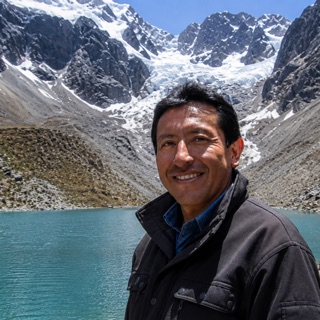 Written with Carlos Mamani, Humantay Lake tour guide & high-altitude specialist
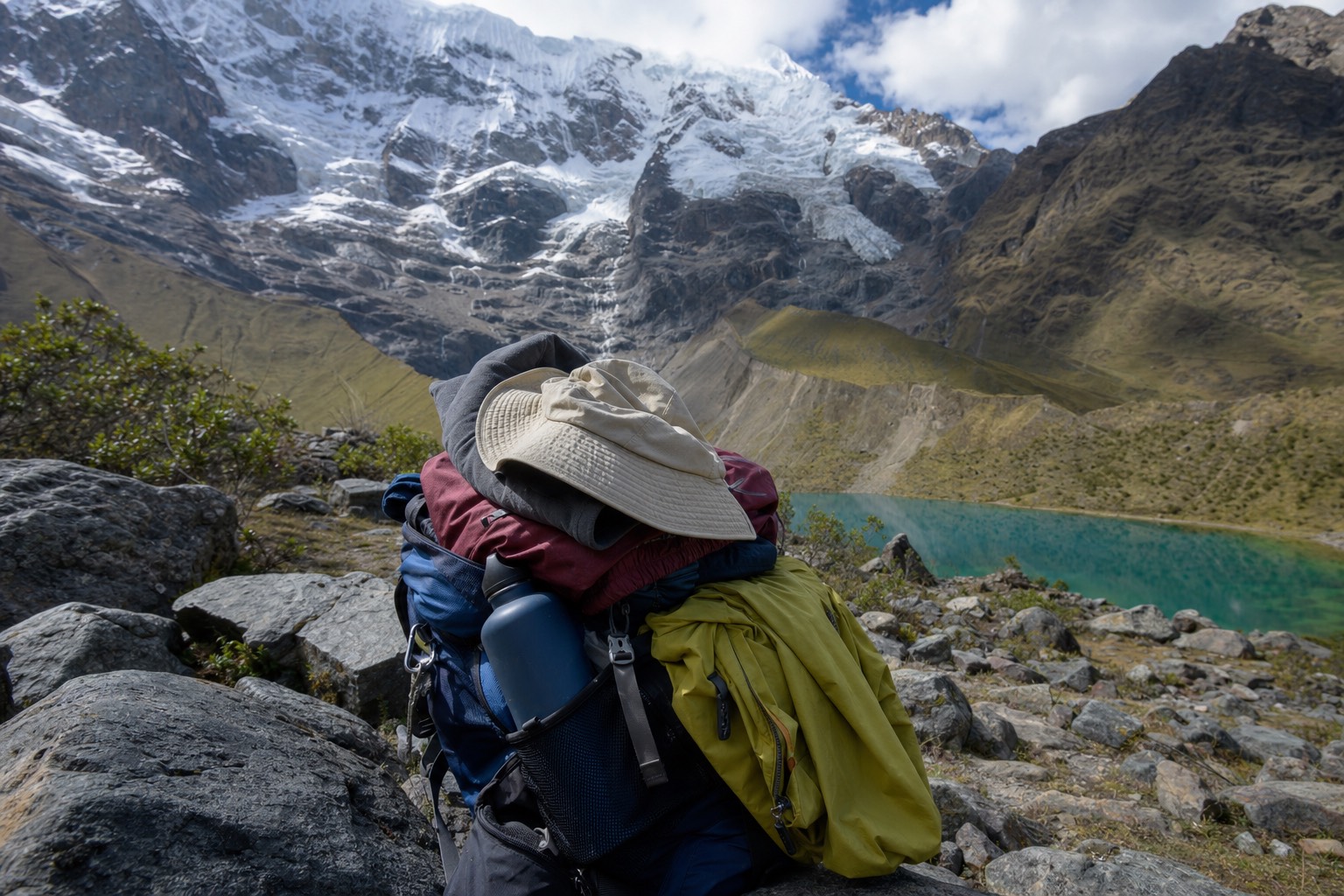
Short answer
Pack three or four layers you can shed, from a warm jacket for the near-freezing dawn to a sun hat and strong sunscreen for extreme midday UV at 4,000 metres. Add rain gear from October to April, two litres of water, snacks, broken-in shoes, and 150 soles in small notes. The tour covers meals, first aid, oxygen and a walking stick.
At 4 AM outside your Cusco hostel you can see your own breath, and by 11 the sun at the lake is burning through cloud like a welding torch. I watch the same scene on the trail every week: someone shivering in a t-shirt at the Soraypampa briefing, and three hours later someone else carrying a heavy parka up the switchbacks, sweating, with a sunburnt neck. Both packed wrong in opposite directions. One day at Humantay runs through most of a year's weather, and the daypack that handles it is smaller and cheaper than people expect.
What layers work from a freezing dawn to a burning midday?
Three or four sheddable layers: a base layer, a warm mid layer of fleece or light down, a wind and rain shell, and a t-shirt underneath for the climb. Dawn at Soraypampa in dry season sits near or below freezing; by late morning the sun at 4,000 metres feels fierce. You will wear everything and then almost nothing.
The temperature swing is the defining fact of this day. In the dry season, roughly May through September, early mornings at the trailhead hover around zero, sometimes below, and the first half hour of the briefing and trail is genuinely cold, especially standing still. Then two things happen at once: the sun clears the ridge and your heart rate climbs with the trail. Within forty minutes most walkers are down to a base layer.
So the system is not "warm clothes". It is layers with zips that come off fast and stuff small. My working setup, week in and week out: a synthetic or merino base, a fleece, a packable down or insulated jacket for the dawn and for standing at the shore, and a shell on top when wind or rain shows up. Cotton is the one material I ask people to leave at the hotel; wet cotton at altitude stays wet and cold.
| Layer | What it does | When you actually wear it |
|---|---|---|
| Base layer or t-shirt | Wicks sweat on the climb | The whole day |
| Fleece or light mid layer | Warmth that breathes | Dawn, the shore, the descent |
| Packable down or insulated jacket | Standing-still warmth | 4 AM to mid-morning, at the lake |
| Wind and rain shell | Blocks wind, sheds rain | Wind at the lip, any rain |
| Hat and gloves | Cheap comfort | Dawn and the shore, then pocketed |
Do not skip the hat-and-gloves line because it is July. The shore of the lake catches wind coming straight off the glacier, and I have seen more people miserable there from bare hands than from anything else. Thin gloves weigh nothing.
How serious is the sun at 4,000 metres?
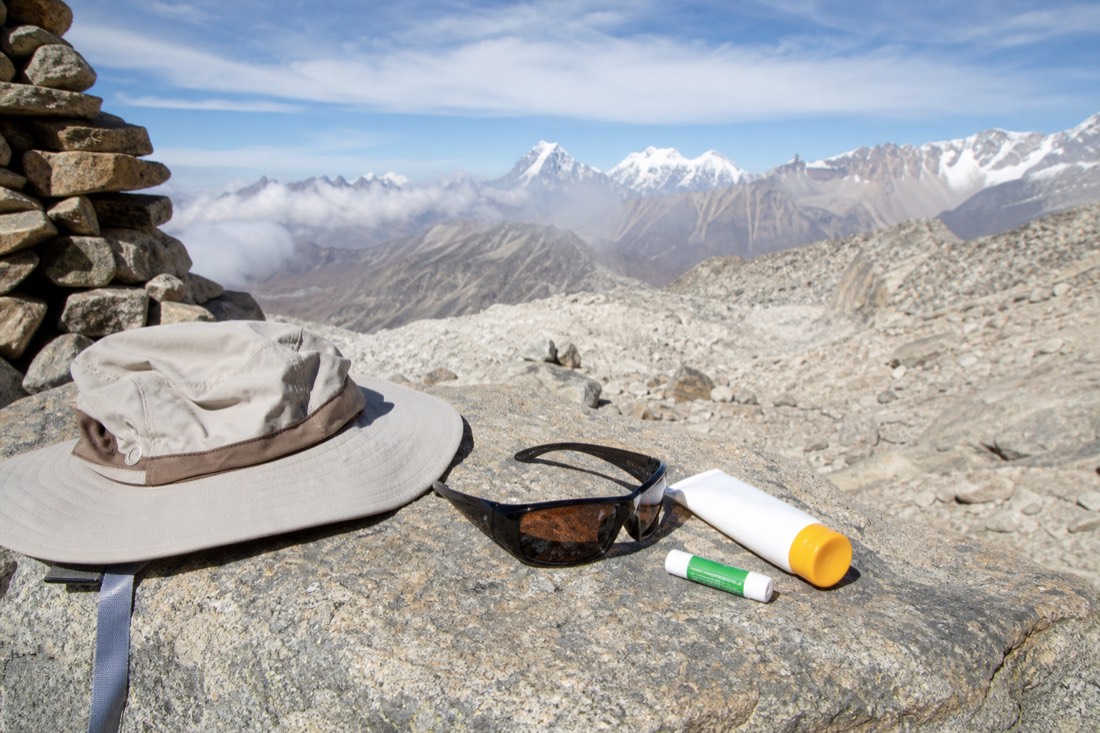
Extremely. The midday UV index around Cusco and the high valleys reaches 10 to 11, which is the extreme band, and thinner air plus reflection off water and pale rock makes it worse. High-SPF sunscreen, real sunglasses, a brimmed hat and lip balm with SPF are not comfort items here, they are equipment.
This is the part first-time visitors underestimate most, because the air is cool and the burn is silent. Current UV readings for the Cusco region regularly hit the extreme range at midday, as the running index at Tutiempo's Cusco UV page shows, and at the lake you are a full 800 metres higher than the city with less atmosphere protecting you. Cloud does not save you either; UV punches through overcast that feels mild.
The kit is simple. Sunscreen of SPF 50, applied at the Mollepata breakfast stop rather than at the lake when it is already too late, and again on the descent. Sunglasses with proper UV protection, because glare off the water and the pale scree is constant. A hat with an actual brim. SPF lip balm, which sounds fussy until you have watched someone's lips crack on day two. And sunscreen on the strange places this trail burns: under your chin from reflection, the backs of your hands, the part in your hair.
The altitude that drives the UV also drives everything else about how this day feels, and sun management and altitude management are cousins: both punish the unprepared quietly. The acclimatization guide covers the breathing half of that equation.
What rain gear do you need, and when?
From May to September a light shell riding in the bottom of the pack is enough insurance. From October to April, the rainy season, a real rain jacket and a pack cover move to the essentials list, and waterproof footwear earns its keep on a trail that turns to mud and slick rock.
| Season | Sky and trail | Rain kit that makes sense |
|---|---|---|
| May to September (dry) | Clear dawns, stable mornings, wind later | Light shell as backup, nothing more |
| October and April (shoulder) | Mixed, storms build afternoons | Proper rain jacket, pack cover |
| November to March (rainy core) | Regular rain, mud, cloud on the glacier | Rain jacket, pack cover, waterproof shoes, gaiters if you have them |
The pattern behind the table: the Cusco region runs on two seasons, not four. The dry months of May through September give the postcard mornings. From October to April the afternoons build storms, the trail collects mud and standing water, and loose rock turns greasy, which is when sturdy waterproof footwear stops being a preference. Regional weather guides such as Eco Tour Cusco's Humantay weather page describe exactly this split, and it matches what I see on the trail each year.
A note on ponchos: the cheap plastic ones sold in Cusco work better than they look, and they cover the daypack too. In the rainy core months I would still rather have a real jacket, because the wind at the lip of the lake eats ponchos for breakfast. Month-by-month detail, including my honest take on which rainy-season weeks are still worth it, lives in the weather by month guide.
How much water, food and cash goes in the pack?
Two litres of water per person, a few familiar snacks, and about 150 soles in small notes. Altitude guidance for hikes above 4,000 metres leans hard on hydration, and the cash covers the things cards cannot: the horse at about 80 soles, tips, one-sol toilets and trailside snacks.
Hydration is the cheapest altitude medicine there is. Standard preparation guidance for days above 4,000 metres is two to three days acclimatizing in Cusco first and steady water intake through the hike, two litres minimum in the pack. Buy the bottles in Cusco the night before; at Soraypampa a litre costs around 10 soles. Coca tea at breakfast helps some people, and skipping alcohol the night before helps everyone.
Snacks are about morale as much as fuel, since the tour feeds you properly on both ends of the hike. A chocolate bar, nuts, dried fruit, whatever you actually like eating, because appetite gets strange at altitude and familiar food wins.
The cash plan is short: around 150 soles per person, in notes of 20 and smaller. That covers the optional horse (about 80 soles one way, paid in cash to a local horseman, full detail in the horse guide), guide and driver tips, one-sol toilets, and a hot chocolate at a Soraypampa stall. There are no ATMs and no card machines past Cusco, and nobody on the mountain can change a 100-sol note at 8 AM.
What does the tour already provide, and what stays at the hotel?
The featured day trip carries the heavy end of the list: hot breakfast and buffet lunch with a vegetarian option, a first aid kit, an emergency oxygen bottle, entrance fee handling and an optional walking stick. That means your pack holds layers, water, sun kit and cash, and very little else.
| Covered by the tour (per the listing) | You bring | Leave at the hotel |
|---|---|---|
| Hot breakfast in Mollepata | 3 to 4 layers plus hat and gloves | Big camera bags and tripods |
| Buffet lunch, vegetarian option | 2 L water and snacks | Laptops, extra lenses |
| First aid kit | SPF 50, sunglasses, brimmed hat | Jewellery and valuables |
| Emergency oxygen bottle | Rain shell (season-dependent) | Passport (carry a photo or copy) |
| Optional wooden walking stick | ~150 soles in small notes | Swimwear, entering the lake is prohibited |
| Entrance fee handling | Broken-in shoes on your feet | Cotton hoodies and jeans |
The swimwear line is not a joke; people pack it every week. Humantay Lake is sacred to the local communities and a protected water source, and entering the water is prohibited, so the only thing swimwear does at 4,200 metres is take up space in your pack.
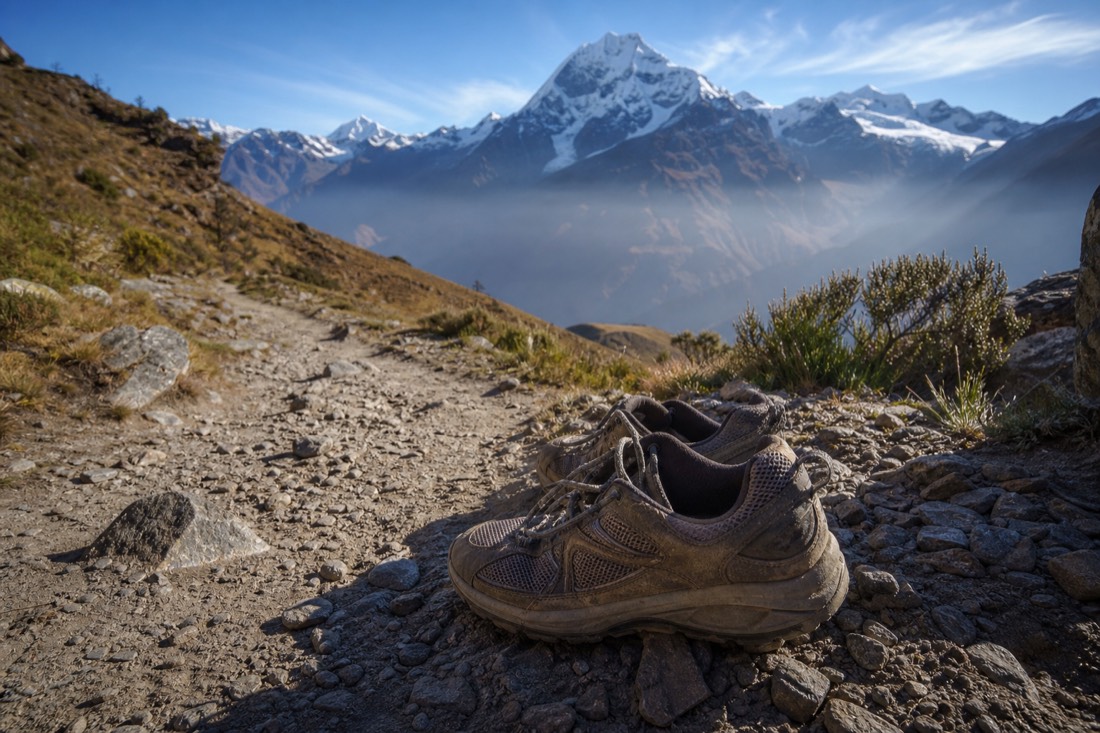
Shoes deserve the last word because they cause the most avoidable suffering. The trail is rock, dust and loose stone for three kilometres each way, and brand-new boots bought in Cusco the day before are a blister factory. Broken-in trail shoes or hiking boots with real grip beat any fancier footwear that has never touched dirt. If your shoes are new, the fix is unglamorous: wear them all day, every day, until departure.
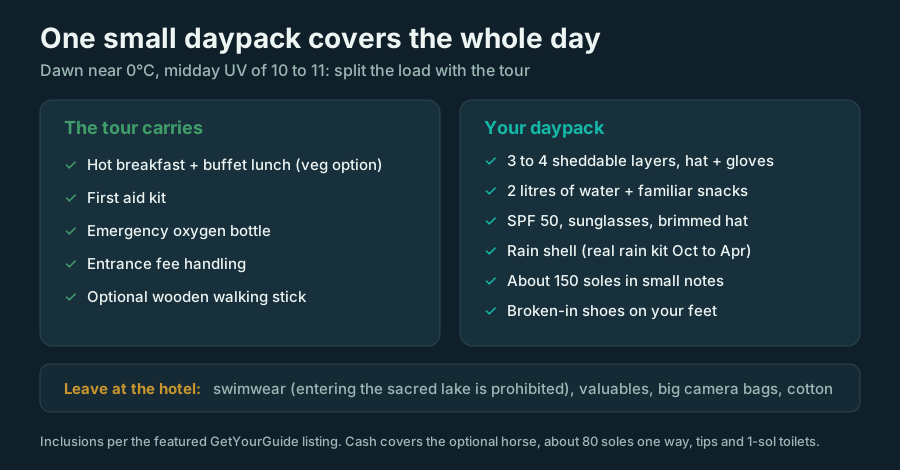
Because the operator handles meals, safety kit and the entrance fee, the packing problem shrinks to one small daypack, and that is a real argument for doing it this way rather than freelancing the logistics. If that division of labour suits you, book the Humantay Lake day trip with both meals included and check live availability and prices on GetYourGuide. The listing carries 4.8 stars across 3,809 reviews, free cancellation to 24 hours, and reserve now, pay later while you sort your kit.
Pack the night before, down to the socks. The 3:30 AM version of you is not a detail person, and the trail forgives a slow hiker far more readily than a badly packed one.
How do you actually load the daypack for those swings?
One small daypack does the whole job, roughly 18 to 22 litres, because the tour carries the heavy items. The trick is packing so the layers you shed and the sun kit you reach for on a windy slope come out without unpacking the lot. Water and weight sit low, quick-access items ride up top.
A day that runs from freezing to fierce sun is really a day of constant zipping and unzipping, and a badly organised pack turns each of those moments into a five-minute rummage in the cold. Think about the order you will need things. The down jacket comes off first once the sun clears the ridge, so it goes on top, not crushed at the bottom under two litres of water. Sunscreen and lip balm want to be reachable one-handed, because you will reapply them mid-trail, not stop and sit down.
| What goes in the pack | Rough weight | Where it rides |
|---|---|---|
| 2 litres of water | About 2 kg, your heaviest item | Low and central, against your back |
| Packable down jacket | Light but bulky | Top, first thing out at the shore |
| Rain shell | Light | Side pocket or lid, grab without stopping |
| Snacks | Light | Hip belt or lid |
| Sun kit and lip balm | Light | Lid, reachable one-handed |
| Cash, phone, photo of your passport | Light | Zipped inner pocket |
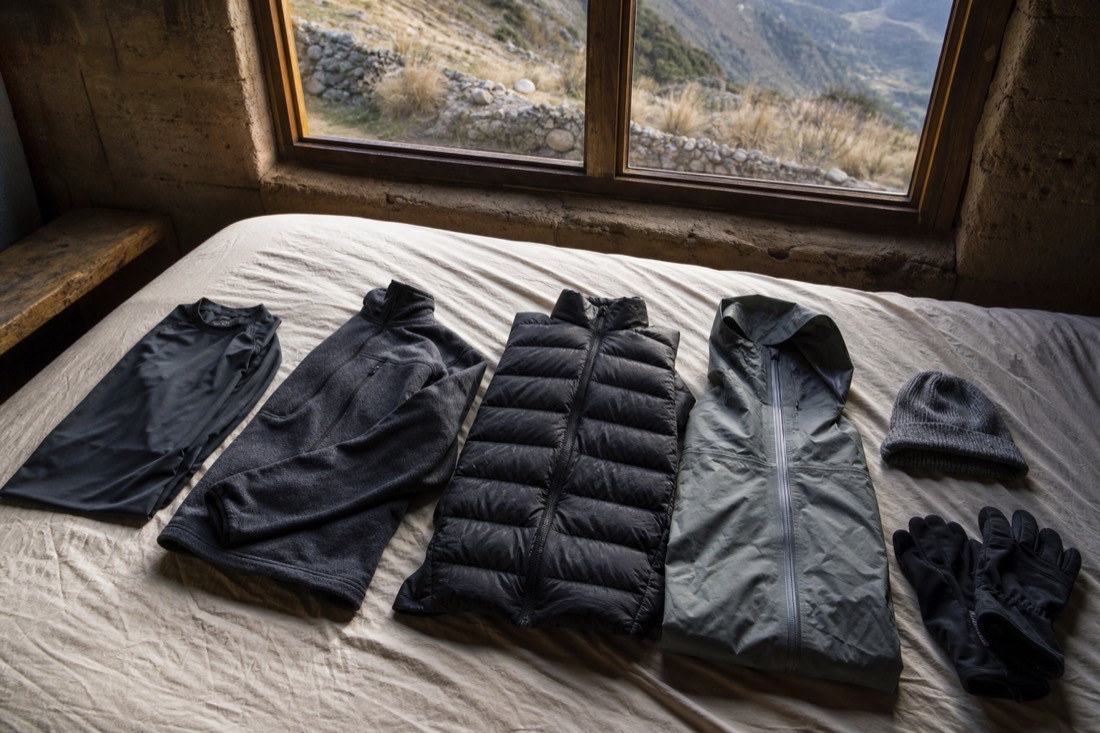
A word on the water, since it is both your heaviest item and your best altitude medicine. Two litres is the floor for this hike, and standard guidance for days above 4,000 metres pairs that steady drinking with two or three acclimatization days in Cusco first. Buy the bottles in the city the night before, because a litre at a Soraypampa stall runs about 10 soles and the queue for it eats into your shore time. A bladder with a hose beats a bottle up here, for the simple reason that you will actually sip from it rather than stop and dig one out.
The sun kit deserves its own line rather than being an afterthought, because at this altitude it is equipment, not comfort. Midday UV in the Cusco region runs into the extreme band of 10 to 11, and the burn is silent because the air stays cool. Cloud does not save you. Here is the short list, and none of it is optional above 4,000 metres.
| Sun item | Skip it? | When to use or reapply |
|---|---|---|
| SPF 50 sunscreen | No | At the Mollepata breakfast, again on the descent |
| Wraparound UV sunglasses | No | All day; glare off water and scree is constant |
| Brimmed hat | No | From the trailhead on |
| SPF lip balm | No | Midday, before lips crack |
| Buff or light scarf | Helpful | Wind at the shore, sun on the back of the neck |
What packing mistakes do I watch on the trail every week?
Most trailside misery I see is a packing decision made days earlier in a warm hotel room. The same handful of errors repeat: dressing for one temperature on a day that runs through several, trusting brand-new boots, and carrying cash nobody can break. Each one is small, and each one is fixable the night before you fly out or leave Cusco.
The two opposite failures show up on the same trail every week. One person stands shivering at the freezing dawn briefing in a t-shirt because the forecast said "sunny", and three hours later a different person is grinding up the switchbacks sweating under a heavy parka they never take off, with a sunburnt neck to prove it. Both packed wrong, in opposite directions. The fix for each is the same idea: layers that shed fast and stuff small, covered in full at the top of this guide.
The small stuff people leave out is what I end up lending. Thin gloves and a hat weigh almost nothing and vanish into a pocket once the sun is up, yet the shore of the lake catches wind straight off the glacier, and I have seen more people miserable there from bare hands than from any other single thing. At the other end are the heavy items people bring and regret: big camera bags, tripods, spare lenses, a laptop that rides up a mountain for no reason. The tour carries the meals and the safety kit, so your job is to carry less, not more.
Footwear is the one that causes the most avoidable suffering, and it is nearly always the same story: boots bought in Cusco the day before, blistering by the first switchbacks. The cash mistake runs a close second, a single 100-sol note that no horseman or stallholder can change, which I unpack properly in the cost breakdown. Here are the errors I see most, and the honest fix for each.
| The mistake I see most | What it causes on the trail | The fix |
|---|---|---|
| A t-shirt at the freezing dawn briefing | Shivering and a rough first hour | A packable down layer over the base |
| A heavy parka carried all morning | Sweating and a sunburnt neck | Layers that shed and stuff small |
| New boots bought in Cusco | Blisters by the switchbacks | Shoes broken in before you travel |
| A cotton hoodie or jeans | Wet, cold and slow to dry at altitude | Synthetic or merino |
| One 100-sol note for the horse | A payment that simply cannot happen | Small notes, 20s and 10s |
| Swimwear, hopefully packed in error | Wasted space; entering the water is prohibited | Leave it at the hotel |
Get the layers, the sun kit and the cash right and the daypack more or less solves itself, which is really the argument for letting the tour carry the meals, oxygen and first aid while you carry almost nothing. The lightest pack on the trail usually belongs to the person who thought about it the night before, not the one who threw in everything they own.