Can You Ride a Horse Up to Humantay Lake?
The horse option is real, local, and cash only. It also does not take you all the way. Here is exactly how it works and who should say yes.
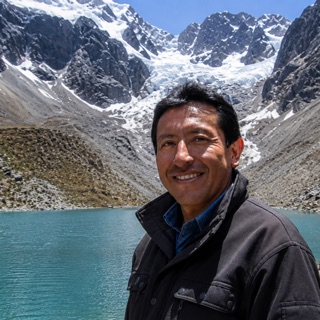 Written with Carlos Mamani, Humantay Lake tour guide & high-altitude specialist
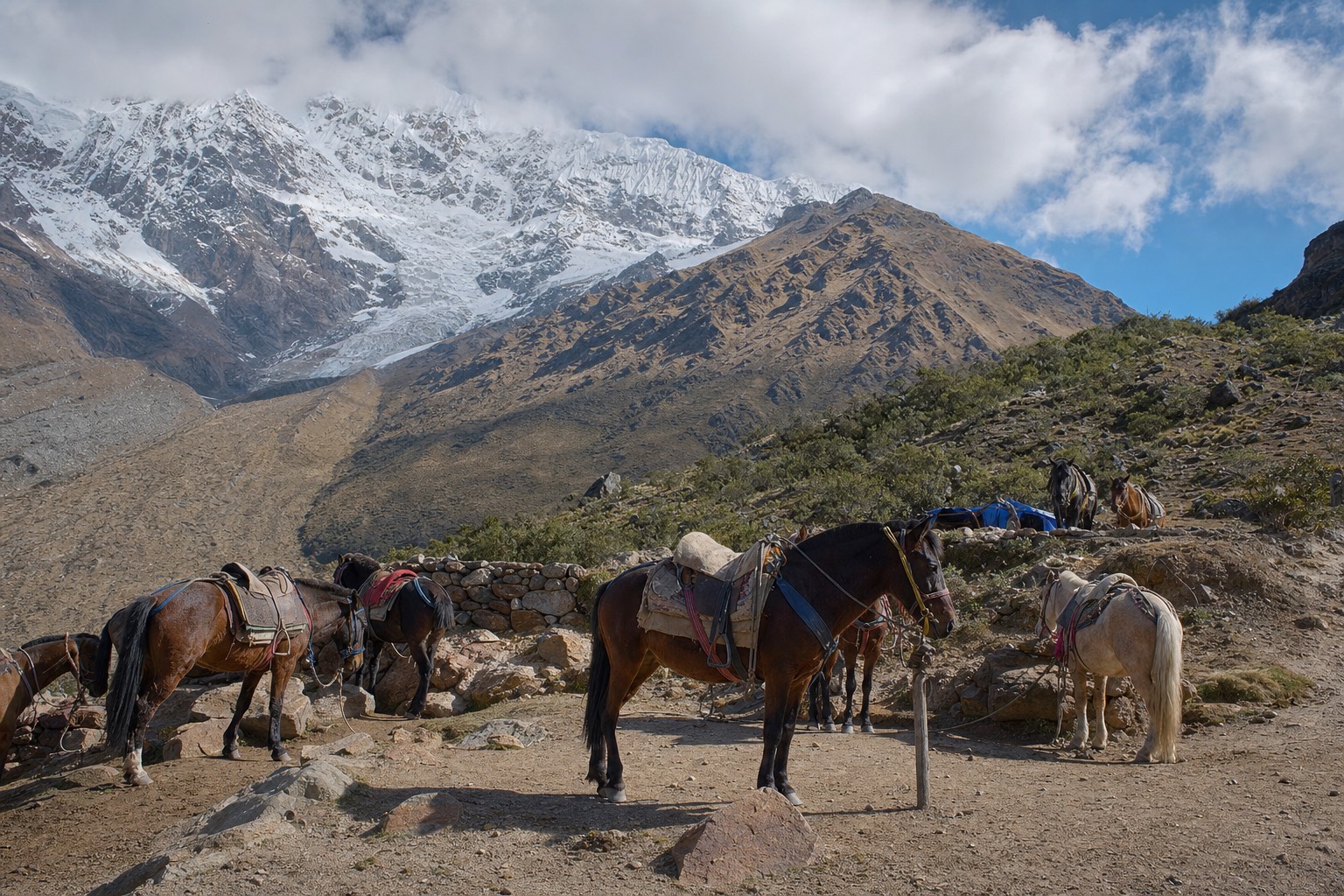
Short answer
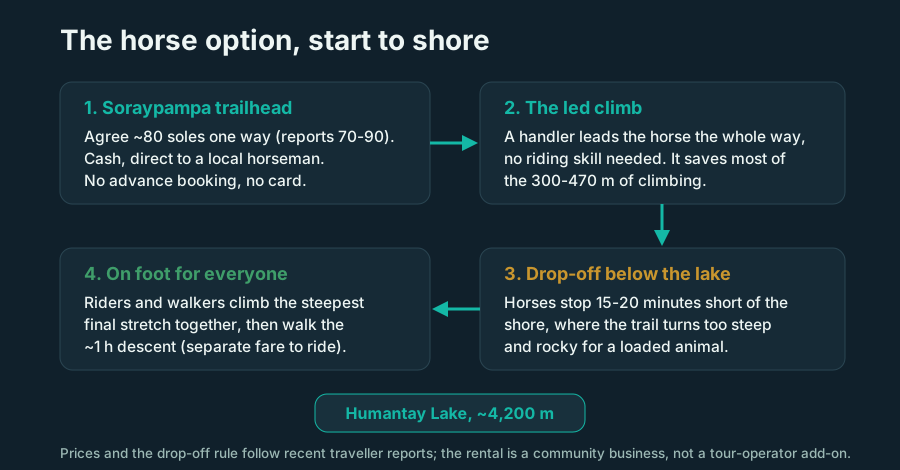
Yes. Local horsemen rent horses at the Soraypampa trailhead for about 80 soles one way, paid in cash on the spot; tour operators do not manage it. A handler leads the horse the whole way, and the animals stop 15 to 20 minutes below the lake, so the steep final stretch is on foot for everyone.
Every morning at Soraypampa, before most of the vans have even opened their doors, the horses are already standing in a loose line along the fence, breath steaming, saddles on. The horsemen walked them up from the valley in the dark. I have stood at that fence with more groups than I can count, watching people make the same calculation: my lungs, my knees, 80 soles, that slope. This guide gives you everything you need to make that call well, because it is a better decision made at the trailhead with real information than in a hotel room with none.
Can the horse take you all the way to the shore?
No. The horses stop at a flat area roughly 15 to 20 minutes below the lake, where the trail turns into steep, rocky switchbacks that are unsafe for a loaded animal. Every visitor, rider or walker, does the final section on foot. Plan for a short, sharp climb at the end no matter what you paid.
This surprises more people than anything else about the horse option, so I am putting it first. You do not ride to a turquoise shoreline. You ride to a drop-off point in the upper meadow, dismount, and then face the steepest 15 to 20 minutes of the entire route with legs that have been sitting in a saddle for an hour. At 4,100 metres and climbing, that final push gets everyone breathing hard.
The geography explains it. Humantay Lake sits in a glacial bowl at about 4,200 metres, and the lip of that bowl is a wall of loose rock and tight turns. Horses with riders have no business on it, and the local community does not allow them past the drop-off. Honestly, that last section on foot is part of the experience: you crest the lip, the wind hits you, and the lake appears all at once below Humantay peak. Nobody gets to skip that moment, which I think is exactly right.
So when you weigh the 80 soles, understand what you are buying: the long grind of the lower and middle trail, which is most of the elevation, but not the summit moment. If your concern is whether you can manage any steep walking at all, read the full difficulty guide before booking anything.
How much does a horse cost and how do you pay?
About 80 soles one way uphill, with recent reports ranging from 70 to 90. You pay cash, in soles, directly to the horseman at Soraypampa. It is a community business, not an add-on your tour operator sells or manages, so no card, no advance booking, no receipt in your booking app.
| Horse facts | The reality on the ground |
|---|---|
| Price, one way up | ~80 soles (reports 70 to 90) |
| Payment | Cash only, soles, direct to the horseman |
| Booked through the operator? | No, arranged on site at Soraypampa |
| Who controls the horse | A local handler leads it the whole way |
| Riding experience needed | None |
| Where it stops | 15 to 20 minutes below the lake |
| Riding down | Sometimes offered separately; most people walk the ~1 h descent |
The arrangement is beautifully simple and completely analogue. The horses belong to families from Soraypampa and the wider Mollepata district, and the fee goes straight into that household. Your guide can help you agree the price and match you with a horseman, but the transaction is yours. Bring the money in notes a horseman can actually change: two 20s and four 10s beat a single 100 every time, a point I hammer on in the cost breakdown guide.
One practical warning from many early mornings up there: on busy dry-season days the horses can all be taken by mid-morning. Groups arriving on the earliest tours get first pick. If you know your body will want one, do not dawdle at the trailhead.
How does the handoff actually work at the trailhead?
Your guide gives the Soraypampa briefing, asks who wants a horse, and waves the horsemen over. You agree the price, pay, and get helped into the saddle. A handler leads your horse on foot the entire way while the walkers set off on the same trail. At the upper drop-off you dismount, and rejoin your group for the final climb.
There is no counter and no queue system, just a short, friendly negotiation in the meadow. You do not need any riding skill because you are not really riding: the handler holds the lead rope from the ground for the whole ascent, picking the line through the rocky sections while you concentrate on staying centred in the saddle. The horses do this climb most days of their working lives and know every stone.
Riders and walkers leapfrog each other up the mountain. The horse path braids alongside the walking trail, and a led horse reaches the drop-off comfortably ahead of walkers taking 1.5 to 2 hours on foot, so riders usually wait there or start the final section early. Your guide keeps the group together at the lip so nobody arrives at the shore alone.
| The day with a horse vs on foot | Riding | Walking |
|---|---|---|
| Soraypampa to upper drop-off | In the saddle, handler's walking pace, quicker than hiking | 1.5 to 2 h |
| Final section to the lake | 15 to 20 min on foot, steep | Same, 15 to 20 min |
| Effort saved | Most of the ~300 to 470 m of climbing | None |
| Descent | On foot ~1 h (separate fare if ridden) | On foot ~1 h |
| Cost | ~80 soles one way, cash | Free |
Who should take a horse, and who should walk?
Take a horse if you arrived in Cusco recently and feel the altitude, if a knee or hip complains on sustained climbs, or if you are pacing a child or a parent. Walk if you have acclimatized two or more days and hike regularly. Deciding at the trailhead, feeling that morning's body, beats deciding in advance.
| Your situation | My honest advice |
|---|---|
| Under 2 days in Cusco, headachy at the briefing | Horse. Altitude does not negotiate |
| Acclimatized, regular hiker | Walk. The climb is the point |
| Travelling with kids or older parents | Horse for them, walk beside |
| Bad knee, hip or back on climbs | Horse up, careful walk down with poles |
| Fit but nervous about "holding the group up" | Walk. Guides pace for the slowest, always |
| Pregnant, serious heart or lung condition | Neither: the operator lists this day as not suitable |
Altitude is the honest variable here, not fitness. I have watched marathon runners sit down grey-faced at 4,000 metres while their unathletic partners strolled past, purely because one acclimatized and one flew in the day before. If you have fewer than two full days in Cusco behind you, the horse is not a luxury, it is insurance. The acclimatization guide explains the why and the how.
This is also where the structure of a good tour earns its keep. The featured small-group day carries a first aid kit and an emergency oxygen bottle, the guide is watching for altitude symptoms at the briefing, and both meals are handled, so the horse is the only decision left on your plate. If that is the version of the day you want, book the Humantay Lake day trip with both meals included and check live availability and prices on GetYourGuide. The listing shows 4.8 stars across 3,809 reviews with free cancellation up to 24 hours, and it leaves the horse exactly as it should be: optional, on site, your call.
Are the horses treated well, and how do you ride respectfully?
Traveller reports from recent seasons describe working animals in reasonable condition, led at a walk by handlers who own them, with weight limits applied informally. You can help: respect the handler's pace, do not demand speed, carry your own daypack if asked, and tip the handler, not just the guide.
These are not trekking-company animals on a rotation schedule. They are family horses, and the family walks beside you the whole way, which is itself a decent welfare mechanism: nobody runs their own horse into the ground in front of paying strangers. The handlers rest the animals between trips at the trailhead, and the drop-off rule below the lake protects them from exactly the terrain that would cause injuries.
That said, you are part of the equation. Ride with your weight settled, let the handler choose the pace and the line, and if you are a larger rider and the horseman hesitates, take it gracefully rather than pressing. A 5-sol tip to the handler at the drop-off is rare enough that it lands. And at the shore itself, remember whose place this is: the lake is sacred to the local communities, entering the water is prohibited, and the horses stay below partly out of respect for that too.
The horse question is really a question about your own morning: how your head feels at the briefing, how the legs feel after the van. Keep 80 soles in small notes in your pocket, stay honest with yourself at Soraypampa, and either answer is a good one.
When do the horses run out, and does the season change that?
They can and do. On busy dry-season mornings the animals at Soraypampa are often spoken for by mid-morning, and the earliest tours get first pick. In the rainy months there are usually horses free later in the day. If you suspect your body will want one, reach the trailhead early and decide fast.
Supply is finite and local. These are family horses, a fixed number of them, walked up from the valley each dawn, so on a peak dry-season day when a dozen vans arrive within an hour the fence empties quickly. I have watched people who dawdled over breakfast reach the meadow to find every horse already climbing with someone else aboard. The rainy season thins the crowds and the odds swing the other way, though the trail underfoot gets harder.
The price itself has a little give in it, and a little variation. Eighty soles is the number I hear most, but reports run from seventy to around ninety depending on the day, the demand, and frankly how the conversation goes. It is not a fixed tariff on a board; it is a price agreed between you and a horseman in a meadow. Your guide can help you land somewhere fair, and paying the going rate rather than haggling hard matters when the money is feeding a local family rather than a company.
| When you reach Soraypampa | Dry season, May to September | Rainy season, October to April |
|---|---|---|
| With the first tours, around 7:30 AM | Good choice of horses | Plenty available |
| Mid-morning | Often mostly taken | Usually still available |
| Late morning onward | Frequently all gone | Some still free |
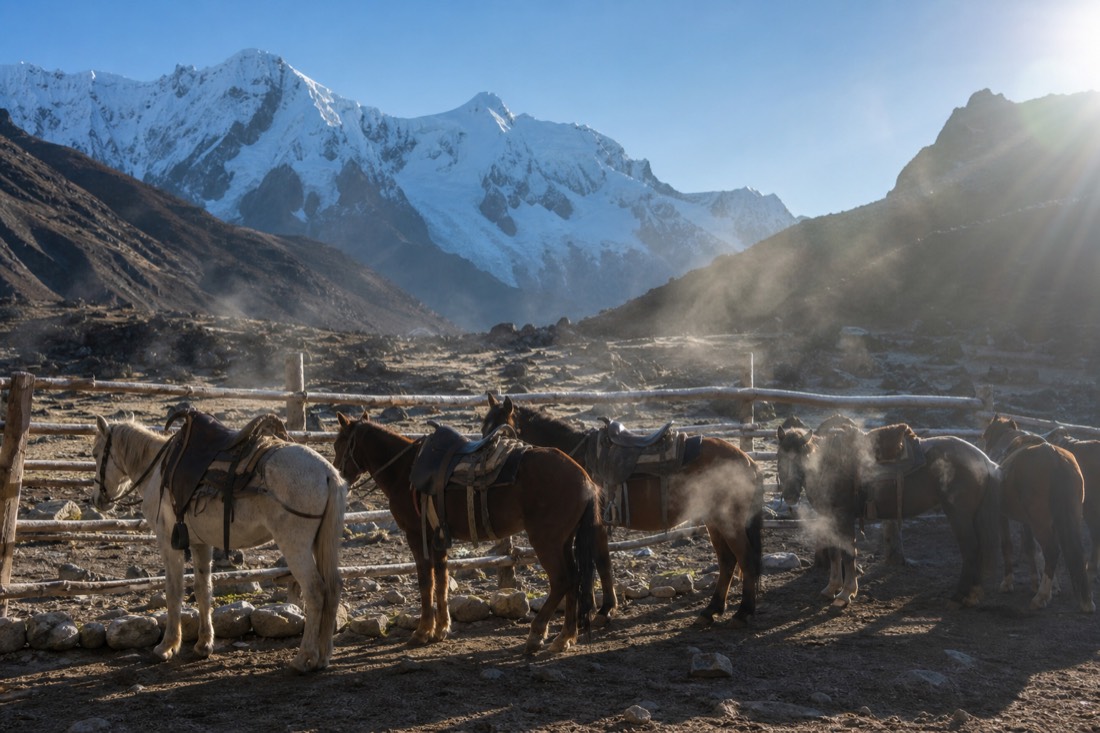
There is a second reason the earliest departures matter, and it has nothing to do with horses: an emptier trail and better light at the shore, which is the whole argument for the pre-dawn pickup covered in the hour-by-hour itinerary. Getting a horse is just one more thing the early start quietly buys you.
It also helps to know exactly what your 80 soles does and does not include before you agree the price, so nobody feels short-changed at the drop-off.
| The ~80-sol fee covers | The fee does not cover |
|---|---|
| The uphill ride to the drop-off point | The final 15 to 20 minutes on foot |
| A handler leading your horse the whole way | Riding back down, arranged and paid separately |
| The community's animal, its tack and time | A tip for the handler, which is yours to add |
| A careful pace set for safety on the rock | Any guarantee of a horse if you arrive late |
One more note on the descent line in that table. Riding down is sometimes offered, but far fewer people take it, because the walk down is the easy direction: about an hour, downhill, with the whole valley opening in front of you. If your knees are the problem rather than your lungs, that is exactly the leg where trekking poles and a slow pace beat paying a second fare.
How do I read who needs a horse at the briefing?
By the time we gather at Soraypampa I have usually already guessed who should ride, and it has little to do with how athletic anyone looks. I watch three things: how recently they landed in Cusco, how they are breathing while standing still, and how their knees handled the step down from the van.
Altitude is the honest tell, not muscle. A recent arrival with a headache is a clearer candidate for the horse than a gym regular who flew in yesterday and thinks willpower covers the gap. It does not, at 4,000 metres. I ask two quick questions at the fence, how many nights in Cusco and how they slept, and the answers sort most groups faster than any fitness test could. The acclimatization guide explains why those nights matter so much.
Two honest caveats belong here. If you are a larger rider and the horseman hesitates or steers you toward a particular animal, take the cue gracefully; these are working family horses, not a fairground ride, and the handlers know which one can carry whom. And on the busiest mornings, when every horse is doing repeated climbs, ride light, let the handler set the pace, and tip him directly at the drop-off. A few soles to the person actually leading your horse lands more than you would think.
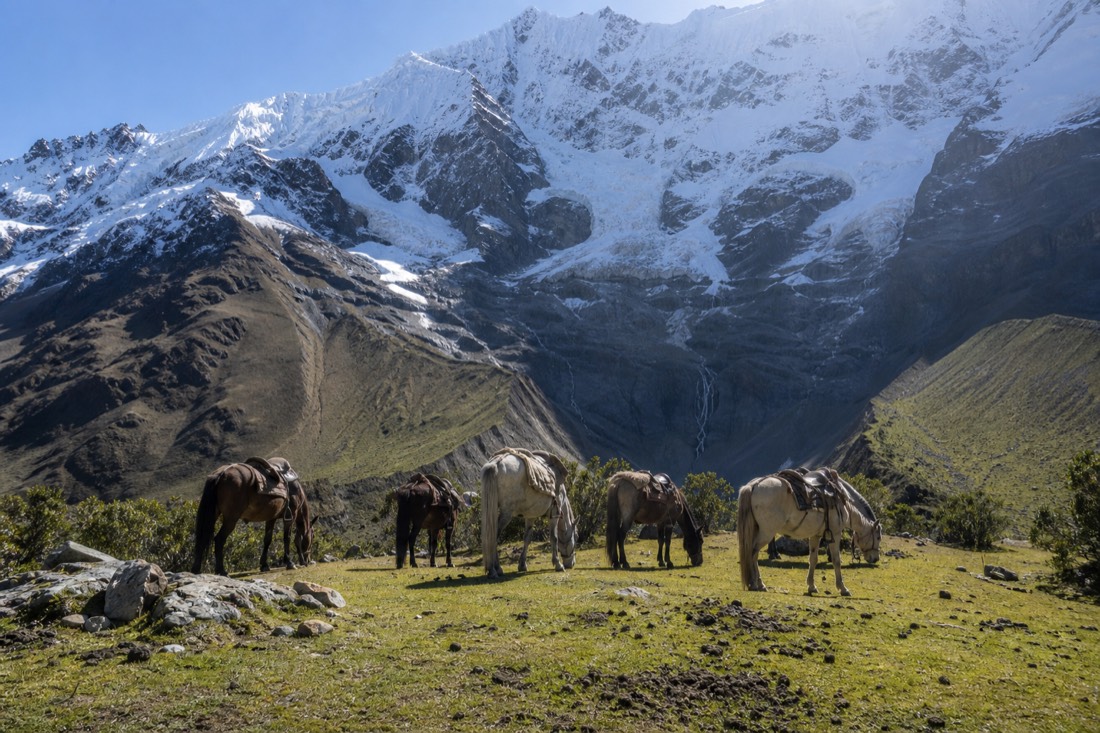
Knees are the other thing I clock, because the descent, not the climb, is what wrecks them. Someone can grind up the switchbacks on sheer determination and then face an hour of downhill that their joints simply cannot take. For those walkers I often suggest the horse for the ascent and poles for a slow, careful walk down. Here is roughly how I read the signs.
| What I notice at the briefing | What it usually means | The call I nudge toward |
|---|---|---|
| Headache, under two days in Cusco | Altitude has not settled yet | Horse up, no debate |
| Breathing hard just standing at the fence | Low acclimatization for the climb | Horse up |
| Wincing on the step down from the van | Knees will suffer more on the descent | Horse up, poles for the walk down |
| Relaxed, hiked somewhere in the last week | The body is ready for the grind | Walk, the climb is the point |
| Quiet worry about slowing the group | Nerves, not a real limit | Walk; guides pace for the slowest, always |
The one group I never put on a horse is the one the operator already rules out: anyone pregnant, or with a serious heart or lung condition, for whom this day is listed as unsuitable full stop. The horse solves altitude effort, not underlying risk. For everyone else it is a genuinely free choice, and the value of deciding at the fence is that you are working with real information, this morning's body and this morning's sky, instead of a guess made a week ago.
And if you do ride, keep it simple: sit centred, hold the front of the saddle rather than pulling at the reins, and let your body loosen with the horse instead of bracing against every lurch over the rocks. You are not steering and you are not setting the pace, the handler does both. Your only real job is to stay relaxed, save your legs, and watch the walkers grind up the switchbacks while you save yourself for the final climb everyone shares.
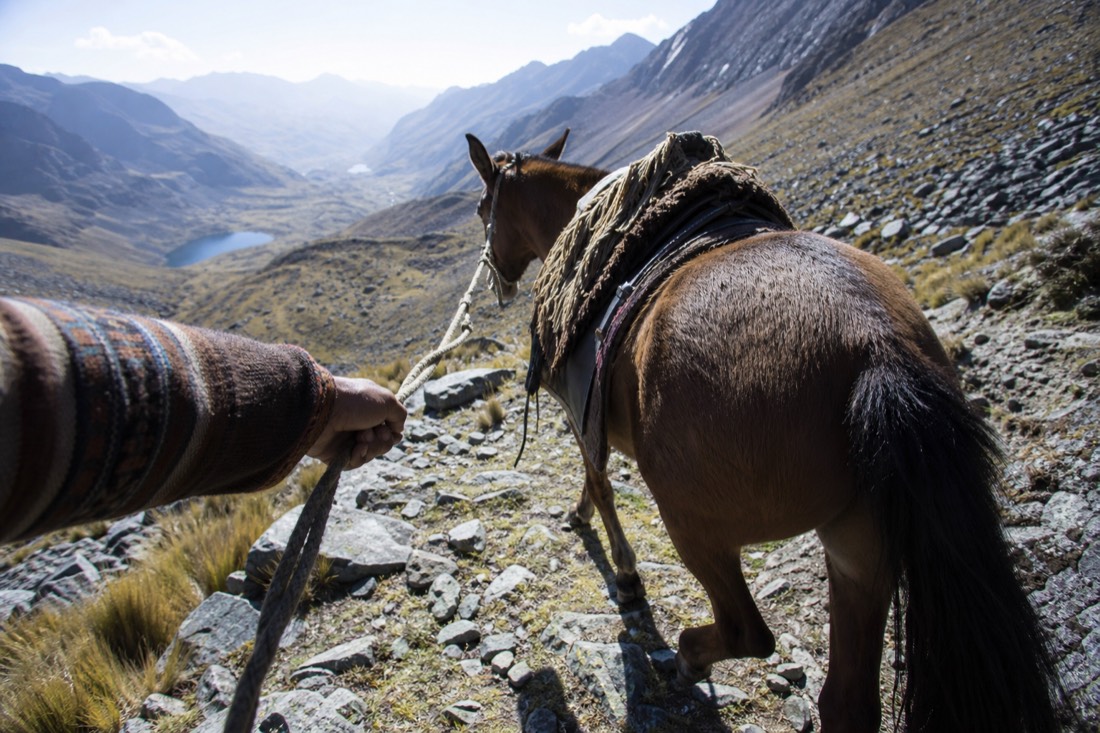
None of this is fixed in advance, which is exactly why I tell people to keep the cash in their pocket and decide at the meadow. Your body on the morning is the only expert worth listening to, and it does not always agree with the plan you made in the hotel.