The 3:30 AM Alarm: What the Early Start Is Really Like
A Humantay guide on the 3:30 AM pickup: why the hour exists, what the dark drive from Cusco feels like, and how to make the early start hurt far less.
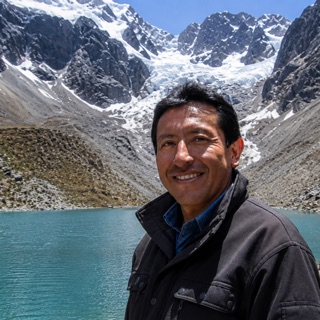 By Carlos Mamani, Humantay Lake tour guide & high-altitude specialist
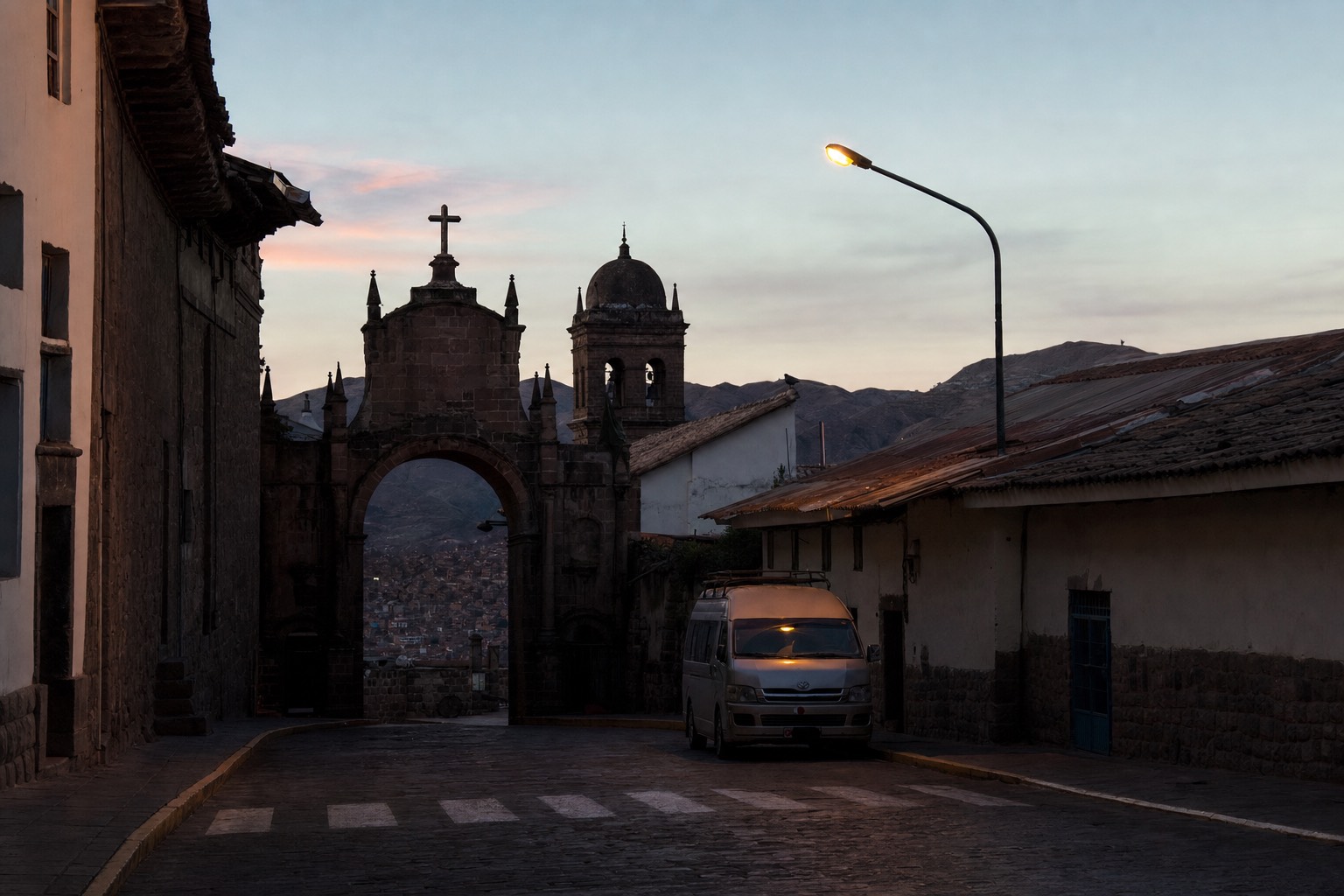
The lobby light is the worst light in Peru. It is 3:20 AM, the night clerk is asleep behind the desk with a blanket over his knees, and a traveller in a rented puffer jacket is staring at me like I have personally wronged him. I have stood in a hundred of these lobbies since I started guiding the Humantay day trip in 2022, and the scene never changes: someone always asks, quietly, almost hopefully, "Does it really have to be this early?"
It does. And by 10 AM, standing at 4,200 meters above a lake the color of bottle glass, the same traveller always tells me the alarm was worth it. This post is about the hours in between, the ones nobody photographs.
What actually happens between 3:30 and sunrise
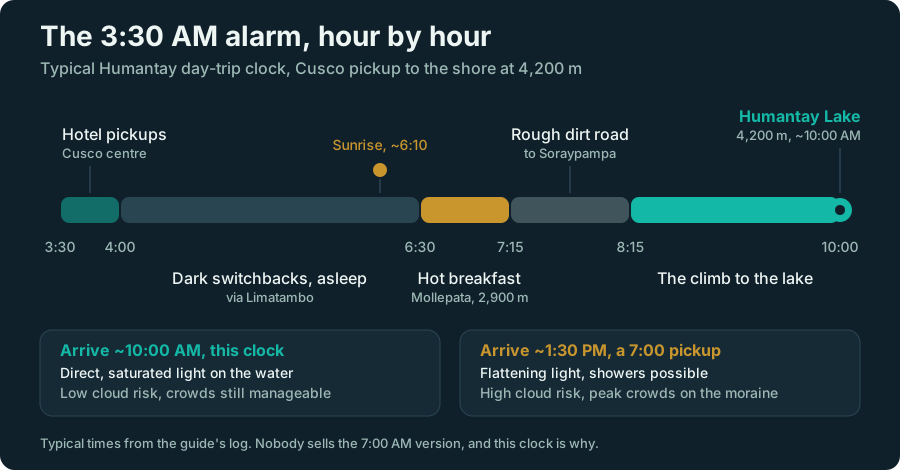
Pickup runs 3:30 to 4:00 AM through Cusco's historic center, hotel by hotel. The van then climbs out of the city in the dark, drops through Limatambo, and reaches Mollepata for a hot breakfast around dawn. Almost everyone sleeps through the drive, which takes roughly 3 to 3.5 hours to the Soraypampa trailhead.
The first thirty minutes are stop-and-go. Vans thread the narrow streets around the Plaza de Armas collecting half-awake passengers from hostels and hotels, and there is a strange intimacy to it: a dozen strangers in beanies, nobody speaking, the driver murmuring names off a clipboard. If your accommodation sits on a pedestrian-only street, you walk a block to the nearest corner. Confirm that meeting point the night before, not at 3:25 AM.
Then the city ends and the sleeping begins. The road drops nearly 800 meters into the Limatambo valley before climbing again toward Mollepata, and it is all switchbacks. I tell people this plainly: recline what you can, wedge your jacket against the window, and surrender. You are not missing scenery. It is black outside.
Sunrise in Cusco arrives around 6:10 AM most of the year, and it usually catches the van somewhere past Limatambo, which means the first thing you properly see is eucalyptus valley and high peaks turning pink. Breakfast in Mollepata lands shortly after, and it does more work than any breakfast you have eaten in years. The full route details are in my guide to getting to Humantay from Cusco.
| Time (typical) | Where you are | What is happening |
|---|---|---|
| 3:30-4:00 AM | Cusco historic center | Hotel-by-hotel pickup, half asleep |
| 4:00-6:00 AM | Highway via Limatambo | Dark switchbacks, everyone sleeping |
| ~6:10 AM | Approaching Mollepata | Sunrise over the valley |
| 6:30-7:15 AM | Mollepata (2,900 m) | Hot breakfast, bathrooms, coca tea |
| 7:15-8:15 AM | Dirt road to Soraypampa | Rough, slow, suddenly scenic |
| 8:15-10:00 AM | The trail | The climb to the lake |
| ~10:00 AM | Humantay Lake, 4,200 m | The reason for all of it |
Read the same drive as an elevation profile and the long ride makes more sense: you lose height first, claw it back, then climb well past where you started.
| Leg of the pre-dawn drive | Elevation | Road character |
|---|---|---|
| Cusco pickup | ~3,400 m | City streets, stop-and-go |
| Limatambo valley floor | ~2,600 m | An 800 m drop on tight switchbacks |
| Mollepata, breakfast | ~2,900 m | Paved climb back out of the valley |
| Soraypampa trailhead | ~3,850-3,900 m | Rough dirt, the roughest hour of the drive |
| Humantay Lake | 4,200 m | On foot from here |
Why the hour is functional, not sadistic
Three things degrade at Humantay as the day ages: light, weather, and solitude. Morning sun hits the turquoise directly, afternoon cloud builds over the Salkantay massif and can swallow the glacier entirely, and the biggest crowd wave reaches the shore around midday. The early alarm buys you all three advantages at once.
Start with the light. The lake gets its color from glacial rock flour suspended in meltwater, and that color performs on direct sun. Mid-morning, the angle is right and the wind is usually still low, so you get reflections. By early afternoon the surface chops up and the palette dulls.
Weather matters more. In the Andes around the Salkantay massif, convection builds cloud over the peaks as the day warms, and afternoon showers are a documented pattern, especially from October through April. I have watched a wall of grey erase the entire glacier in under twenty minutes, always after noon, almost never before it. The morning is simply when the mountain shows up for work.
And then the crowds. Nearly every Cusco operator runs the same clock, but group sizes and breakfast stops stagger arrivals, and a van at the front of the wave reaches a lakeshore with a few dozen people instead of a few hundred. I wrote a whole piece on beating the crowds at Humantay, and the honest summary is that the single biggest lever is simply being early.
| Hypothetical departure | Lake arrival | Light on the water | Cloud risk on the glacier | Crowd level |
|---|---|---|---|---|
| 3:30-4:00 AM (standard) | ~10:00 AM | Direct, saturated | Low | Building, manageable |
| 5:30 AM | ~12:00 PM | Good, some chop | Moderate | Peak wave |
| 7:00 AM | ~1:30-2:00 PM | Flattening | High, showers possible | Peak, then thinning |
Nobody offers the 7 AM version, and that table is why.
How to make the alarm hurt less
Treat it like a flight, not a night out: dinner by 7 PM, bag packed and clothes laid out before bed, asleep by 9. Skip alcohol completely at this altitude. Claim a window seat for the drive, sleep both highway legs, and let the Mollepata breakfast do the heavy lifting instead of forcing food at 3 AM.
The travellers who suffer are almost always the ones who treated the night before as a normal Cusco evening. Pisco sours at 10 PM and a 3:15 wake-up is a miserable equation even at sea level; at 3,400 meters it flirts with genuine altitude sickness, which I break down in the altitude mistakes first-timers make. Alcohol dehydrates you and worsens acclimatization, and the CDC's altitude illness guidance says as much without any romance.
Seat choice is small but real. The front rows take the switchbacks gentlest and matter if you get motion sick. Window seats give you something to lean on. The back row bounces hardest on the final dirt stretch to Soraypampa, which is the roughest hour of driving.
Do not force a big meal at 3 AM. Your stomach is not awake and the road is curvy. A banana and water in the van is plenty, because a proper hot breakfast is waiting in Mollepata around 6:30. On the featured departure both meals are included, which removes the one logistical decision your 3 AM brain would otherwise fumble.
| Night-before move | When | Why it works |
|---|---|---|
| Early dinner, nothing heavy | By 7 PM | Digestion finished before the curves |
| Zero alcohol | All evening | Dehydration + altitude is the classic soroche setup |
| Pack the daypack, lay out clothes | Before bed | 3:15 AM you will thank 9 PM you |
| Confirm the exact pickup corner | Evening, with the hotel desk | Pedestrian streets need a meeting point |
| Lights out | ~9 PM | Six hours beats four, even bad hours |
| Fill water bottles, stage them by the door | Before bed | Hydration starts in the van, not at the trailhead |
Is the early version the right version for you
For most first-timers, yes. The pre-dawn departure is the format nearly every operator uses because the mountain rewards it, and a small-group version with breakfast and lunch handled means the only thing you manage at 3:30 AM is walking to a van. The alarm is the price; the empty morning lake is the product.
There are people who should think twice, and it has nothing to do with the hour. The hike itself is steep and short at real altitude, roughly 300 to 470 meters of gain to a lake at 4,200 meters, and if you landed in Cusco yesterday, the early start compounds the strain. Give yourself two acclimatization days first. Read my honest take on how hard the hike really is before you commit.
If you are in, book the version that removes friction. After watching hundreds of groups do this day, my advice is to book the Humantay Lake day trip with both meals included and check live availability and prices on GetYourGuide. It runs small groups with a bilingual guide, pickup is from the historic center in that 3:30 to 4:00 window, and cancellation is free up to 24 hours, so a bad forecast costs you nothing. GetYourGuide shows it at 4.8 stars across more than 3,800 reviews, and a striking number of those reviews mention the early start as the thing they dreaded and then defended.
One last lobby scene. Last season a woman in her sixties told me at 3:40 AM that this was the worst idea her daughter ever had. At the lake she stood at the shore for half an hour and did not take a single photo, just looked. On the walk down she said the thing I hear most often on this trail: "I understand the alarm now." You will too. Set it, hate it, and go.