How Do You Get to Humantay Lake from Cusco?
One road, three and a bit hours, and a rough final climb to the trailhead. Here is exactly how the journey works, both with a tour and without.
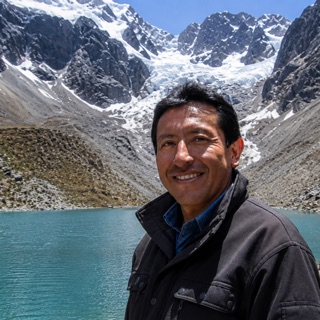 Written with Carlos Mamani, Humantay Lake tour guide & high-altitude specialist
Short answer
One road gets you there: Cusco to Limatambo to Mollepata, about 88-90 km of pavement, then a rough unpaved climb to the Soraypampa trailhead, roughly 3 to 3.5 hours in total. Tours drive it door to door from a 3:30-4:00 AM pickup. No public transport reaches the trailhead itself; going solo means a colectivo to Mollepata plus a hired taxi up.
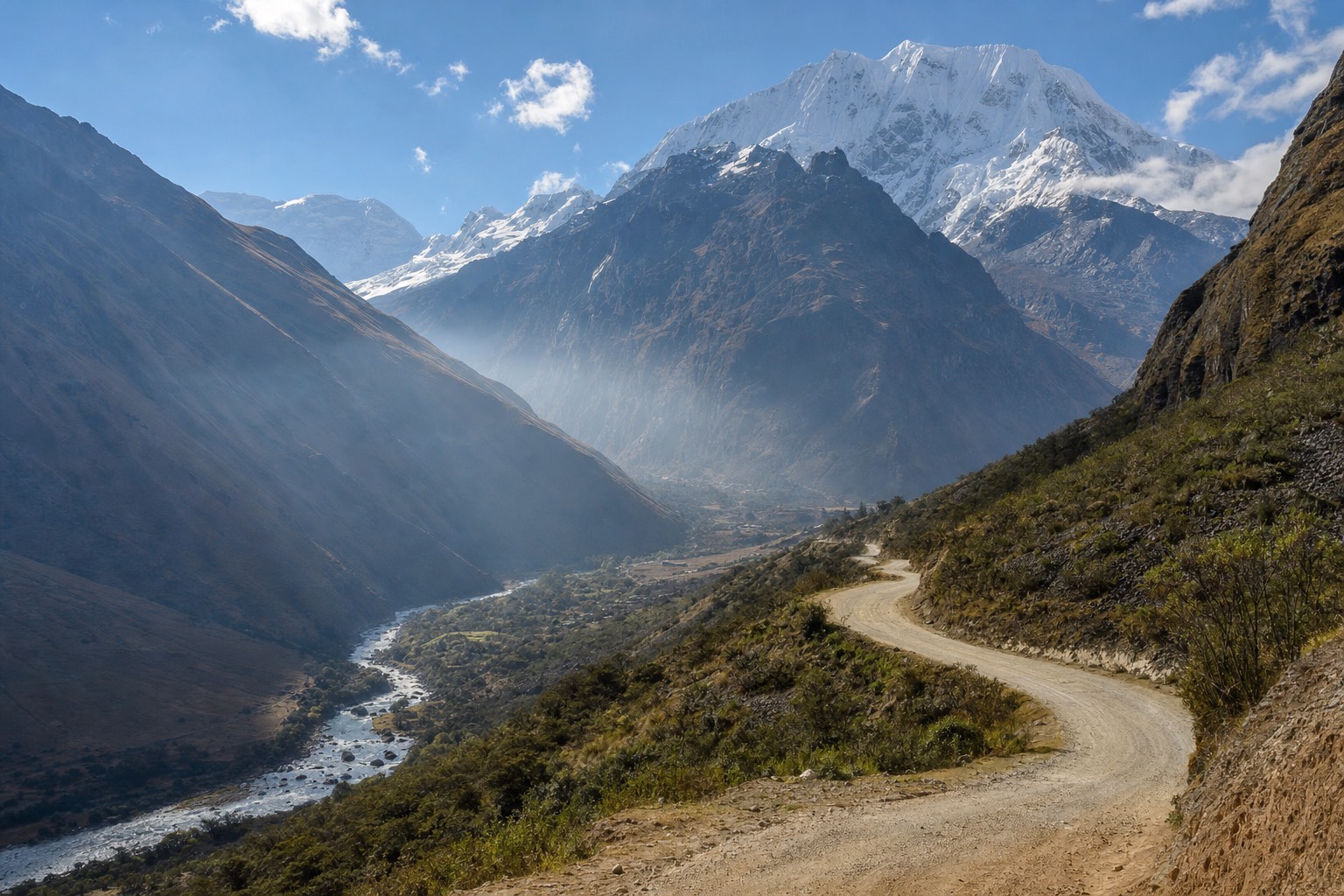
The drive out of Cusco in the dark is its own small ritual. Streetlights thin out past the edge of the city, the van drops into the Apurímac canyon country around Limatambo, and by the time the sky turns grey you are climbing through eucalyptus toward Mollepata with Salkantay somewhere above the windshield. I have ridden this road more times than I can count, and travellers ask me the same three questions about it: how long, how rough, and can I do it without a tour. Here is the whole picture.
What route does the drive follow?
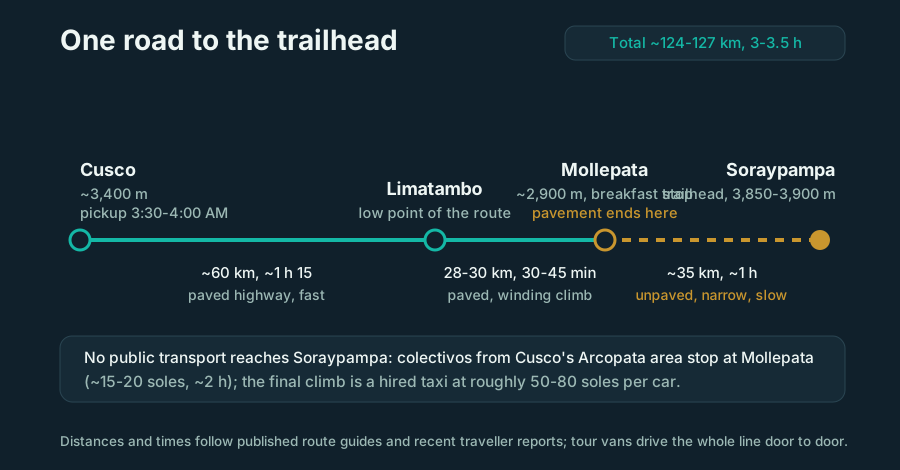
Every vehicle takes the same line: northwest out of Cusco on the paved highway through Izcuchaca and Limatambo, then a turnoff climbs to the town of Mollepata at about 88-90 km. From Mollepata a narrow unpaved mountain road winds up to the Soraypampa trailhead, bringing the total to roughly 124-127 km.
The first leg is genuinely comfortable. The highway toward Abancay is paved the whole way, dropping through warm valley country where the driving is fast and smooth. Limatambo, about two thirds of the way to the turnoff, is the low point of the route and noticeably milder than Cusco; tours pass straight through it while the passengers sleep.
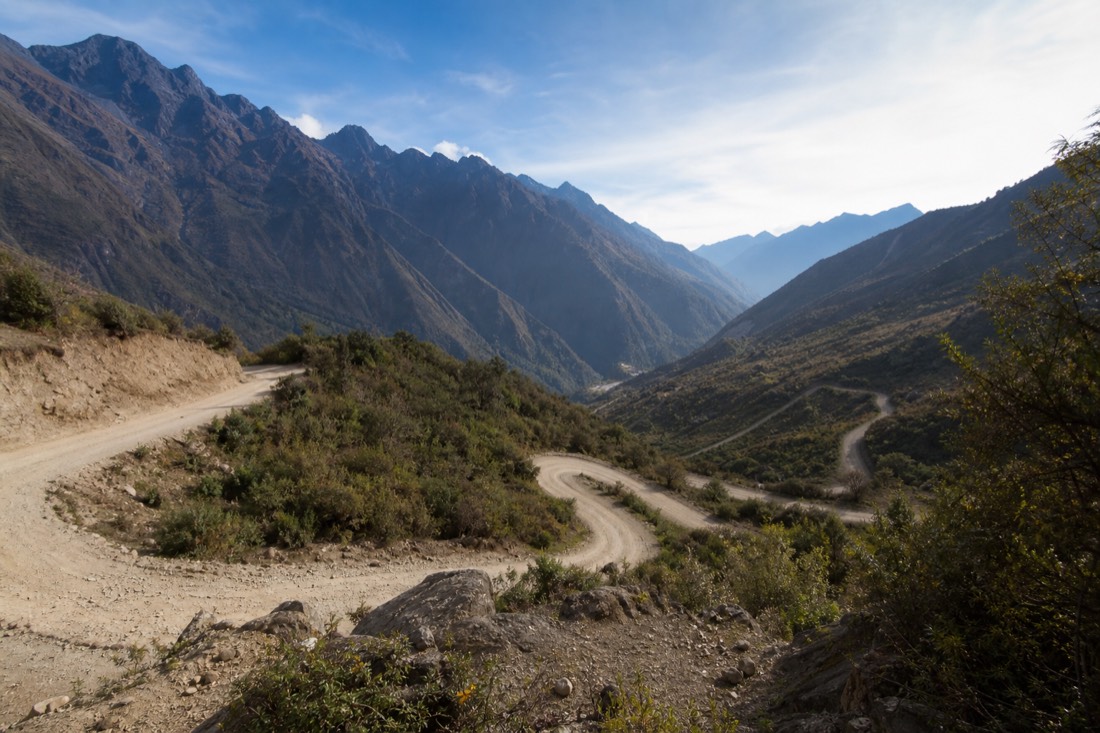
Mollepata changes the character of the trip. The town sits at around 2,900 m on a shelf above the Apurímac valley, and it is where the featured tour stops for hot breakfast. Above town the pavement ends. The final stretch to Soraypampa is a narrow gravel-and-dirt mountain road, uneven and slow, switchbacking up roughly an hour toward the trailhead at about 3,850-3,900 m. It is safe in normal conditions and driven daily by dozens of vans, but it is the part of the journey people remember.
| Leg | Distance | Time | Road |
|---|---|---|---|
| Cusco to Limatambo | ~60 km | ~1 h 15 min | Paved highway, fast |
| Limatambo to Mollepata | ~28-30 km | ~30-45 min | Paved, winding climb |
| Mollepata to Soraypampa | ~35 km | ~1 h | Unpaved, narrow, slow |
| Total, Cusco to trailhead | ~124-127 km | ~3-3.5 h | Mixed |
How long does the whole journey take?
Budget 3 to 3.5 hours each way in a tour van, including the breakfast stop in Mollepata. Independent travellers should plan for more like 4 hours, because the colectivo leg and the taxi hire in Mollepata each add waiting time. The return runs slightly faster since it skips the long meal stop.
Pure driving time is around three hours, and recent route guides put the road at 2.5 to 3 hours when nothing interrupts it. Real trips carry overhead. A tour spends its buffer collecting passengers around Cusco's historic centre and serving breakfast in Mollepata. A do-it-yourself trip spends the same buffer differently: getting to the Arcopata area where colectivos leave, waiting for one to fill, then bargaining for a taxi in Mollepata's plaza.
This arithmetic explains the timing of the whole day. Three-plus hours out, up to two hours of climbing, an hour at the water, an hour back down, lunch, three hours home. That is a twelve-to-fourteen-hour round trip whichever way you slice it, and it is why every version of this trip starts before dawn.
| Typical tour clock (give or take) | Where you are |
|---|---|
| 3:30-4:00 AM | Pickup around Cusco's historic centre |
| ~6:30 AM | Hot breakfast stop in Mollepata |
| ~8:00 AM | Soraypampa trailhead, briefing, hike begins |
| ~9:30-10:00 AM | Humantay Lake, time at the shore |
| ~11:30 AM | Back down at the trailhead |
| ~1:00 PM | Buffet lunch in Mollepata |
| Early evening | Drop-off near the Plaza de Armas |
I walk through the full hour-by-hour day in the itinerary guide if you want each stage explained rather than just timed.
Should you take a tour or arrange your own transport?
For most first-time visitors the tour wins on pure logistics: one vehicle door to door, meals built in, a guide at altitude, and no bargaining in Spanish at 7:00 AM in Mollepata. Independent transport suits confident, acclimatized travellers who want their own pace and do not mind the extra moving parts.
I say this as someone who loves the independent version of this mountain: the tour format exists because the transport problem is genuinely awkward. The trailhead is remote, the last road segment needs a capable driver, and the timing that makes the lake beautiful requires a pre-dawn start that public transport simply does not serve.
| Tour van | Colectivo + taxi | |
|---|---|---|
| Cusco departure | 3:30-4:00 AM pickup at your door | First colectivos leave around 4:00-5:00 AM |
| Changes of vehicle | None | Two: colectivo, then hired taxi |
| Reaches Soraypampa | Yes, direct | Only the hired taxi does |
| Meals | Breakfast and buffet lunch in Mollepata | Bring your own or buy in town |
| Spanish needed | None | Enough to negotiate fares |
| Return seat | Guaranteed, same van | Must arrange or find transport again |
If the logistics column is what you care about, the departure built around it is the one I recommend: book the Humantay Lake day trip with breakfast and buffet lunch and check live availability and prices on GetYourGuide. Small group, pickup from Cusco's historic centre between 3:30 and 4:00 AM, both meals in Mollepata, and an evening drop-off near the Plaza de Armas.
Can you reach the trailhead by public transport?
Not all the way. Colectivos and small buses run from Cusco's Arcopata area to Mollepata for about 15-20 soles, taking around two hours. Beyond Mollepata there is no scheduled service at all; the only way up the final unpaved stretch to Soraypampa is a hired taxi or shared vehicle from the plaza.
This surprises a lot of people, so it bears repeating: no regular public bus reaches Soraypampa. Recent route reports are unanimous on this, and it matches what I see at the trailhead, where every vehicle is either a tour van, a hired taxi or a trekking-company transfer. Practical references like the PeruRail Humantay overview describe the same two-stage pattern for independent visitors.
The colectivo leg is straightforward if you have done Latin American shared transport before. Vehicles leave from the Arcopata area when full, starting very early, and drop you in Mollepata's small plaza. There the second negotiation begins. Taxis and shared cars ask roughly 50-80 soles for the hour-long climb to Soraypampa, per car or per person depending on the vehicle and your bargaining, along a narrow gravel road that local drivers know well. I compare the full costs of this route against the guided day in the guide to visiting without a tour.
How do you get back to Cusco at the end?
On a tour, your seat rides home with you: down to Mollepata for the buffet lunch, then the same van to Cusco with an evening drop-off near the Plaza de Armas. Independently, you reverse the chain yourself, and the weak link is finding a taxi at Soraypampa in mid-afternoon.
The return is where the two versions of this day diverge most. Tour passengers walk off the trail, find their van, eat, and doze back to the city. Independent hikers walk off the trail into a car park that empties fast after lunch. The smart move is arranging your morning taxi driver to wait or return at a fixed hour, and paying part of the fare on completion. Drivers do this routinely, but it is a verbal deal in Spanish, and if it falls through you are asking around at 3,900 m as the vans pull out.
From Mollepata the last colectivos back to Cusco leave in the late afternoon. Miss them and you are looking at a private taxi or a night in a basic hostal. None of this is dangerous; it is just friction, and it is the reason I tell tired, newly arrived travellers to buy the seat and keep the adventure for the trail. My pre-dawn pickup story in the 3:30 AM alarm covers how the tour morning actually feels.
Why do tours leave so early?
Because the drive eats three-plus hours before the hike even starts, and the lake is at its best in the morning: clearer glacier, calmer water, room at the shore. A 3:30-4:00 AM pickup puts you at the water inside that window and gets you down before afternoon wind and cloud build.
Nobody schedules a 3:30 AM pickup for fun. The math forces it, and so does the mountain weather, which stacks wind and cloud into the afternoon in every season. Leave Cusco at a comfortable hour and you spend your effort climbing to a greyer, windier, busier lake.
What should you know about the drive itself?
The journey is a rollercoaster of altitude, not a steady climb. You leave Cusco at about 3,400 m, drop into warm canyon country around Limatambo, rise again to Mollepata near 2,900 m for breakfast, then grind up to the Soraypampa trailhead at roughly 3,850 to 3,900 m. That last unpaved hour, all gravel and switchbacks, is the stretch people remember and occasionally regret eating a big breakfast before.
Understanding the shape of the drive helps you pack and pace yourself for it. The first two thirds are easy: fast, paved highway toward Abancay, the kind of smooth road where most passengers sleep straight through. The descent into the Apurímac canyon around Limatambo is the warm low point of the day, noticeably milder than Cusco, before the road climbs back toward Mollepata. None of that first half troubles anyone's stomach.
The character changes above Mollepata. Pavement ends, the road narrows to gravel and dirt, and it switchbacks steadily upward for about an hour to the trailhead. It is safe in normal conditions and driven daily by dozens of vans, but it is uneven, slow and full of tight bends. If you are prone to motion sickness, this is the segment to prepare for, not the highway.
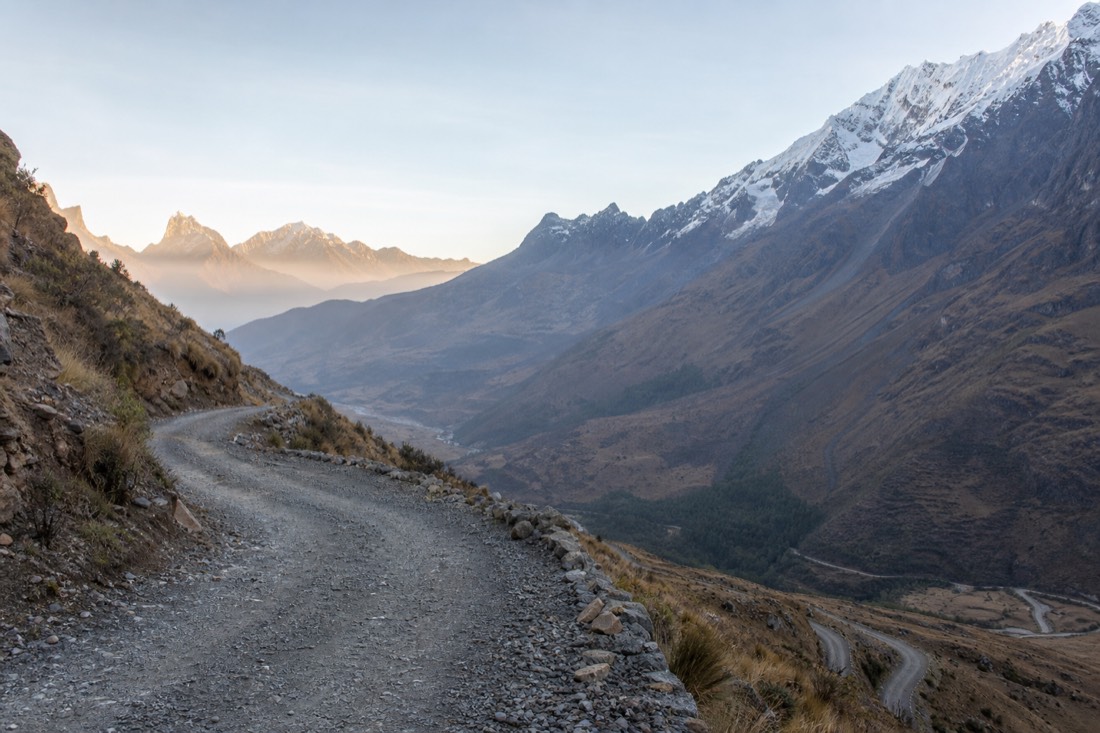
Here is the elevation shape of the run, which explains why the day feels like it does. You gain and lose more than a simple Cusco-to-trailhead number suggests.
| Point on the route | Rough elevation | Road and feel |
|---|---|---|
| Cusco, departure | ~3,400 m | Cool, dark, paved streets |
| Limatambo canyon | Warm valley low point | Paved, fast, mild air |
| Mollepata, breakfast | ~2,900 m | Paved to here, then it ends |
| Soraypampa trailhead | ~3,850-3,900 m | Unpaved, narrow, slow climb |
| Humantay Lake, on foot | ~4,200 m | The hike, not the drive |
A few small choices make the gravel hour far more pleasant. This is the comfort kit I recommend to anyone who has felt queasy on mountain roads before.
| For the drive | Why it helps |
|---|---|
| Motion-sickness tablet, taken early | The unpaved leg is the trigger, not the highway |
| Window seat, eyes on the horizon | Steadies the inner ear on the switchbacks |
| Light breakfast, then top up after | A heavy meal sits badly on the gravel climb |
| Water and a warm layer within reach | Air cools fast as you gain the last 900 m |
| Sunglasses for the first light | The dawn glare off the peaks is sharp |
The Mollepata breakfast stop is more than a courtesy, and I always tell first-timers to eat lightly there rather than skip it. The town sits low enough, around 2,900 m, that appetites come back, and a warm meal before the gravel climb steadies both the stomach and the energy you will spend on the trail. Load up too heavily, though, and the switchbacks above town will remind you why. The quieter benefit of the stop is the pause itself: half an hour of stretching legs and drinking water at a comfortable altitude, right before the road tips up toward the thin air of the trailhead. Independent travellers who skip Mollepata to save time often arrive at Soraypampa hungrier, colder and less ready to climb than the tour passengers who ate.
What I tell nervous passengers about the mountain road
The honest answer I give is that the road is rough but not dangerous, and the drivers who run it do so every single day. What goes wrong on this trip is rarely the road itself; it is missed connections and thin margins for anyone travelling independently. Build in buffer time, settle every fare before the wheels move, and the day unfolds calmly.
I have ridden this route in the dark more times than I can count, and the passengers who tense up are almost always reacting to the gravel switchbacks above Mollepata. I tell them the same thing each time: the local drivers know every bend, they keep their speed sensible on the climb, and the surface is graded and used constantly. Feeling every bump is normal. Feeling unsafe is not the same thing, and the pace is set for the road, not against it.
The real friction sits with the independent version of the journey. On a tour, the buffer is invisible: the van collects everyone, breakfast is timed, and your seat home is guaranteed. Going solo, the same hours get spent waiting for a colectivo to fill in the Arcopata area, then bargaining for a taxi up from Mollepata's plaza, then hoping to find a ride back down before the car park empties after lunch. No scheduled public transport reaches Soraypampa at all, so that last leg is always a private arrangement.
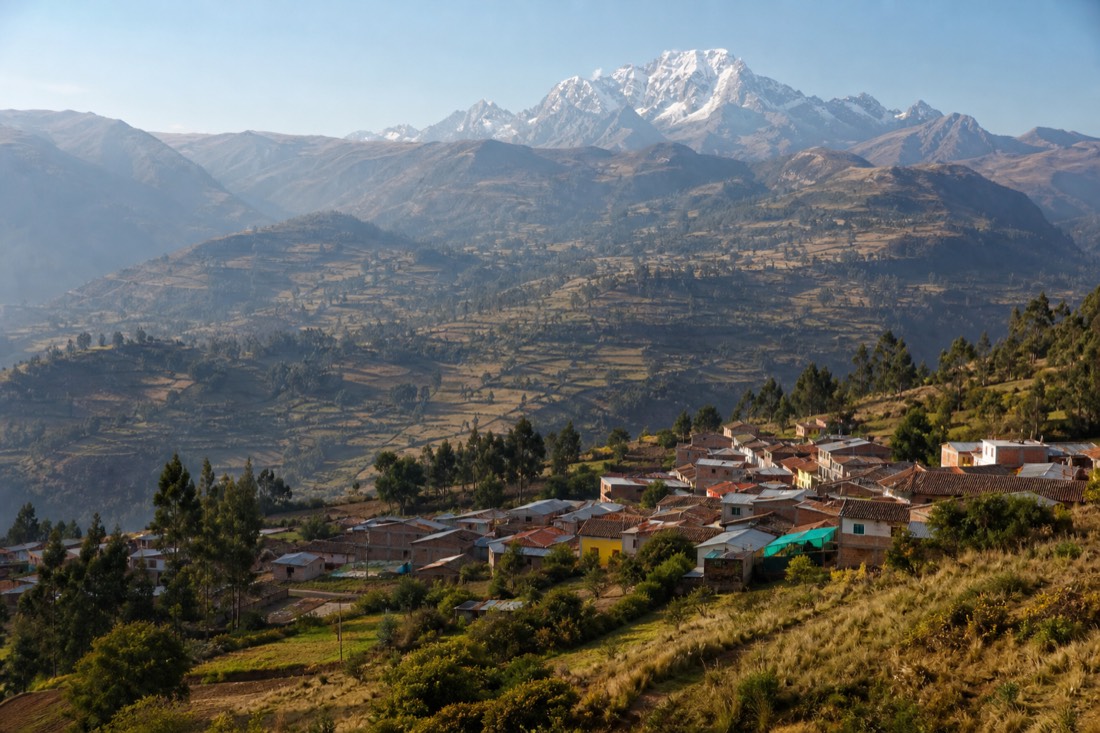
So when a nervous or newly arrived traveller asks me what could actually go wrong, I walk them through the honest list and the buffer I would add to each. None of it is dramatic. It is just the difference between a smooth day and a stressful one.
| What can slow you down | How likely | Buffer I would add |
|---|---|---|
| Colectivo slow to fill in Cusco | Common at quiet hours | Leave earlier than feels necessary |
| Haggling a taxi in Mollepata | Every independent trip | 20-30 minutes and some patience |
| Rough gravel, weather on the last leg | Seasonal, worse when wet | Extra time in the rainy months |
| No return ride at the trailhead | The classic afternoon trap | Prepay a driver to wait or return |
| Missing the last colectivo from Mollepata | Late-afternoon risk | Aim to be down by early afternoon |
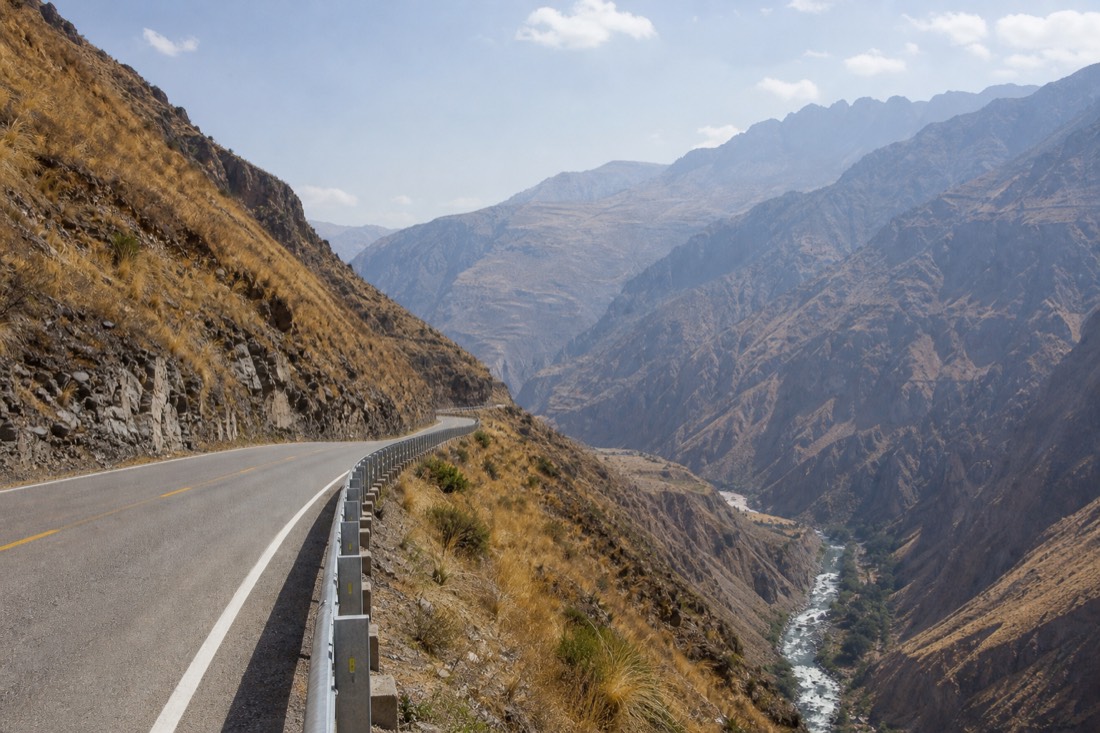
The tour exists precisely because it erases that whole column. One vehicle, door to door, a driver who runs the gravel daily, both meals timed around the hike, and a seat home that nobody can take from you. For confident, acclimatized travellers with time to spare the independent route is a fine adventure, and I lay out its full costs in the guide to visiting without a tour. For everyone else, buying away the friction is the smarter trade.
I also remind people that the road is at its most honest in the dark, and that turns out to be a good thing. The pre-dawn timing means you climb the rough final stretch before the day's traffic and before any afternoon weather moves in, so the gravel is quiet and the drivers are unhurried. On the way down, in daylight, you finally see what you slept through on the way up: the long drop into the Apurímac canyon, the terraced fields above Mollepata, and that first wide view of Salkantay's ice as the switchbacks unwind. The road that felt nerve-testing at four in the morning becomes one of the best parts of the day by early afternoon, which is why I tell people to fight for a window seat on the return.
However you travel it, the road itself is part of the day: canyon heat at Limatambo, eucalyptus above Mollepata, then that first cold view of Salkantay's ice as the taxi or van grinds up the final switchbacks. Sleep through the dark half if you can. The second half deserves a window seat.